
NI Remap Aftercare: First 150 Miles, Oil Checks and a Health Check

Correct oil specification with a shortened service interval, gentle driving while the ECU settles, and close attention to warning lights or smoke are the three things that matter most after a remap. None of this requires special products, just disciplined routine maintenance. If you want a professional opinion on how your car is behaving after tuning, a post-remap health check gives you a clear answer rather than a guess.
TL;DR:
Use oil carrying the engine manufacturer’s approval code, not merely the correct viscosity, and shorten changes especially for stage 2 or hard use.
For the first 50 to 150 miles, vary driving conditions, warm the engine gently, and let a turbo cool at lower revs before shutdown.
Follow the tuner’s fuel grade recommendation, inspect petrol engine spark plugs more often, and replace air and fuel filters sooner than the factory schedule.
Tell your insurer about the remap, and keep DPF and EGR equipment intact; removing or visibly altering either is a major MOT defect.
Persistent smoke, hissing under acceleration, fluid stains, or warning lights warrant prompt tuner contact with a short datalog of boost, fueling, and temperatures.
Table of Contents
Who this guidance applies to and the adaptation period
A stage 1 remap, which works within the standard hardware, generally settles in faster than a stage 2 remap that pushes harder against turbo, fuelling and cooling limits. Diesel engines tend to show torque gains more aggressively than petrol engines, so early restraint matters more on a tuned diesel.
Treat the initial miles as an adaptation window and avoid repeated full-throttle runs.
Petrol and diesel both benefit from varied, moderate-load driving rather than motorway cruising or short town hops exclusively.
Contact your tuner early if you notice hesitation, odd noises or warning lights rather than waiting for a scheduled service.
What a remap changes under the bonnet
A remap adjusts the values your engine’s computer uses to control combustion and boost. It is not a cosmetic tweak, it changes how hard the engine works.
Fuelling targets, so more fuel is delivered at given throttle positions.
Ignition timing, altered to extract more torque from each combustion cycle.
Boost pressure targets on turbocharged engines, often raised within safe limits.
Throttle mapping, giving sharper response to pedal input.
These changes increase thermal and mechanical load on pistons, bearings, the turbo and the cooling system. That is why oil quality, cooling performance and vigilant monitoring matter more after tuning than before it.
Oil specification and service intervals after a remap
Oil is the first line of defence against the extra heat and load a remap introduces. The viscosity grade and manufacturer approval listed in your handbook were chosen for the standard power output, so sticking rigidly to them after tuning leaves less margin than before.
Confirm the oil meets your engine manufacturer’s approval code, not just the viscosity number on the bottle.
Bring your next oil change forward rather than running to a stretched ‘long-life’ interval, especially after a stage 2 remap.
At each drain, check for metallic glitter, a burnt smell or unusually dark, gritty oil, all of which warrant a closer look.
Consider a higher-specification fully synthetic oil if you do frequent hard driving or towing on a mapped vehicle.
Pro Tip: Keep the drained oil in a clear container for a minute before disposing of it. A quick look in daylight tells you more about its condition than a glance in the sump.
Cooling, intercooler and intake: keep temperatures honest
Extra power means extra heat, and the cooling system has no idea your ECU has been remapped. A quick visual check every few weeks catches most problems before they become expensive; for guidance on safe and effective engine bay cleaning, see our advice on clean engine bay: safe steps and ceramic protection.
Check coolant level and colour, since murky or rust-tinted coolant suggests internal corrosion.
Inspect hose clamps and intercooler piping for looseness, which often appears as a flat spot in boost delivery.
Look at intercooler fins for dirt, debris or insect build-up that reduces cooling efficiency.
Watch for a temperature gauge that consistently runs higher than before the remap.
Persistent coolant loss or a gauge that creeps upward under load are signs worth raising with your tuner, who may discuss supporting hardware such as a larger intercooler if the map demands it.
Fuel, spark plugs, filters and consumables
Higher cylinder pressures and fuelling rates put more demand on consumables that are easy to overlook.
Use the fuel grade your tuner recommends; a higher octane can help on petrol engines pushing more ignition advance.
Check spark plug condition and heat range more often on remapped petrol engines, since worn plugs struggle with increased cylinder pressure.
Replace air and fuel filters on a shorter cycle than standard, as restricted airflow undermines a map’s fuelling assumptions.
Removing a DPF or EGR system changes what your car needs for servicing and has direct implications at MOT time, covered in more detail below.
Driving habits, warm-up, cool-down and the first 50 to 150 miles
How you drive in the days after a remap does more for long-term reliability than any product you could buy.
Avoid aggressive full-throttle pulls until the car has covered at least 50 to 150 miles of varied driving, letting the ECU settle into its new parameters.
Warm the engine gently, keeping revs low and avoiding heavy load until the temperature gauge shows normal operating range.
After hard driving, give a turbocharged engine a short period at lower revs before switching off, allowing it to cool rather than heat-soak.
Vary your driving between town, motorway and winding roads rather than repeating one load pattern, which helps the mapping settle naturally.
Keeping a simple datalog from these early drives gives your tuner something concrete to check against if anything feels off later.
What to monitor: warning signs, datalogs and first-week checks
The first week rewards a bit of attention. Most problems announce themselves early if you know what to look for.
An illuminated engine management light is the clearest signal that something needs checking rather than ignoring.
Smoke that persists beyond a cold start, rather than clearing within seconds, points to a fuelling or boost issue.
A hissing sound under acceleration often means a boost leak at a hose or clamp rather than anything inside the engine.
Visible oil or coolant staining under the car after it has been parked overnight is worth investigating immediately.
If any of these appear, a datalog covering boost pressure, fuelling and temperatures over a short drive gives your tuner the clearest route to a fast diagnosis.
Servicing schedule and periodic health checks
A mapped car benefits from a tighter servicing rhythm than the factory schedule assumes, built around oil, filters and plugs rather than exotic additions.
Bring oil and filter changes forward from the manufacturer’s standard interval, particularly on higher-mileage or stage 2 vehicles.
Check spark plugs and air filters at every service rather than only when the handbook calls for it.
An annual health check, including a datalog review or occasional dyno pull on higher-power remaps, confirms the map is still behaving as intended and that nothing has drifted.
Keep dated service records and any datalogs together, since they support insurance claims and reassure a buyer if you sell the car later.
Insurance, MOT and DVLA practicalities
Performance modifications change your risk profile, and government guidance is clear that insurers should be told about them to keep cover valid, as INF318 guidance sets out.
The MOT inspection manual classifies removal or obvious modification of emissions equipment such as a DPF or EGR as a major defect, which fails the test outright.
DVLA guidance on structurally modified vehicles explains when you must notify DVLA and that an MOT or insurance check may follow.
Our ECU tuning legal guide covers the practical questions drivers ask most often about staying on the right side of these rules.
A technician’s checklist for remap aftercare
Every remap we carry out includes pre-diagnostic checks, an original file backup and datalog evidence, because a tuner who cannot show you the data is asking you to take performance on trust. That evidence is also what makes aftercare easier to manage, since you have a baseline to compare against if something changes. For a fuller picture of what happens during the remap itself, our guide to stage 1 to 3 ECU remapping is worth a read.
A short checklist worth copying into your service log: check oil condition at every change, inspect coolant and intercooler hoses monthly, note any warning light the day it appears, and keep datalogs from your first week of driving.
— Mark
Book a post-remap health check with Performance Tuning NI
A health check after tuning confirms the map, the hardware and your driving are all working together, rather than leaving you to guess from the seat of the car. We offer remap and service combinations alongside datalog reviews to support data-backed aftercare.
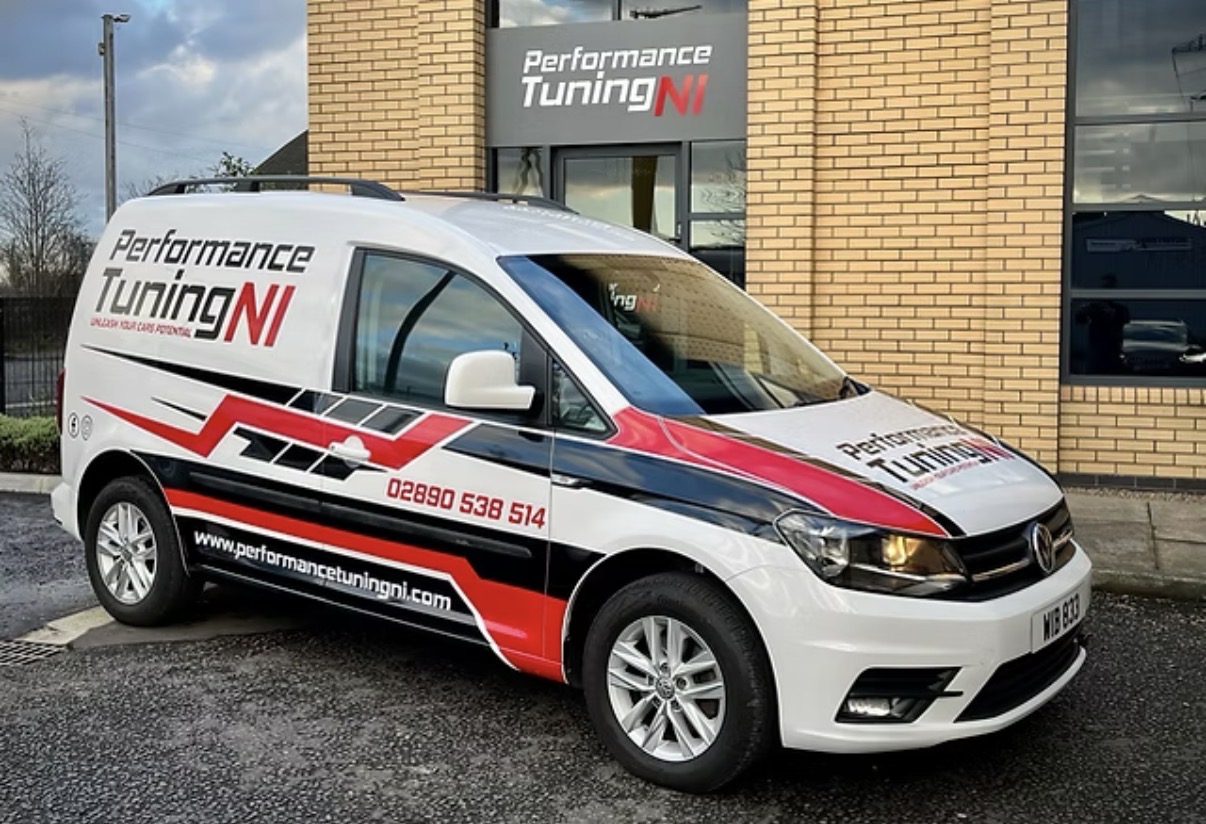
If you are booking your first engine remap, our calculator gives a clear price before you commit; please see the pricing page for current details. For ongoing care, our carbon cleaning service can complement scheduled services to help maintain intake and exhaust components. Browse the full remapping options to see what fits your vehicle and get in touch to book a slot.
FAQ
Can a stage 1 remap be undone?
Yes, a stage 1 remap can be reverted by reflashing the ECU back to the original file, which is why reputable tuners keep an original file backup before making any changes. Ask your tuner to confirm they hold this backup before booking a remap.
What are the downsides of a remap?
A remap increases load on the engine, cooling system and consumables, so oil, plugs and filters may need attention sooner than the standard schedule suggests. Removing emissions equipment such as a DPF or EGR carries legal and MOT implications, since the MOT inspection manual treats this as a major defect. Our remap risks guide sets out what to check before going ahead.
How long should a stage 1 remap take?
A stage 1 remap typically takes a few hours to complete, including pre-diagnostic checks and a road test to confirm the new map is behaving correctly. The exact time depends on the vehicle and whether any faults need resolving first, which is why a pre-remap check matters.
Do remaps fail MOT?
A remap itself does not fail an MOT, but removing or visibly altering emissions control equipment such as a DPF or EGR system does, since the MOT inspection manual classes this as a major defect. Keeping emissions equipment intact and functioning is the safest route through an MOT after any tuning work.
Sources
Recommended