
Speed Limiter Removal.

Removing a speed limiter can raise theoretical top speed and free up high-speed performance, but the gain mostly matters on a track or closed circuit, and it brings mechanical, safety and legal costs. The MOT inspection manual and GOV.UK speed-limiter rules set the compliance line, while Transport for London research shows what higher speeds cost on real roads. Below: the benefits, realistic gains, risks, MOT rules, how it’s done and what a good tuner provides.
TL;DR:
The change mainly benefits track use; actual gains depend on power, gearing, and drag, so no fixed speed increase applies across vehicles.
Vehicles with more than eight passenger seats and goods vehicles over 3.5 tonnes must keep limiters; tampering can cause a major MOT defect.
Check tyre speed ratings, brake condition, and drivetrain capacity before using extra speed, because stock components retain their original limits.
Tell your insurer before modifying the car and keep records, since undeclared changes can trigger disputes or put coverage at risk.
Choose a tuner who checks engine and drivetrain health, backs up the original ECU file, installs a corrected map, and supplies test evidence.
Table of Contents
1. Key benefits of removing a speed limiter
Here is what owners actually get, and who gets it:
Higher theoretical top speed. The engine can use its full power band at high revs instead of hitting an electronic wall.
Better high-speed acceleration. Overtaking and rolling acceleration at speeds that were previously capped no longer cut out.
Enthusiast appeal. Some buyers in niche performance markets value an uncapped car, which may help resale there. It can just as easily put off ordinary buyers.
Fuller use of power and gearing. Cars with plenty of power reserve and tall gearing gain the most, because the cap was the only thing holding them back.
The meaningful use cases are narrow: track days, closed-circuit work, motorsport, and vehicles whose power and gearing were clearly throttled by the factory setting. If you commute in a family hatchback, you will probably never notice the change, because the limiter was not what stopped you reaching those speeds in the first place.
For a local view of the same trade-off, see our guide to speed limiter removal benefits for Northern Ireland drivers.
2. How much top speed and performance will actually change?
Removing the electronic cap and removing the car’s physical limits are two different things. Software decides where the cut-off sits, but aerodynamic drag, gearing and available power decide where the car actually runs out of road. Drag rises steeply with speed, so the last few miles per hour need a disproportionate amount of power.
That is why results vary so much. A powerful car with a spare reserve and a final drive ratio that suits high speed can gain noticeably. A modest engine already running out of power near the limiter may gain very little, because it was never going to pull much further anyway. Without measuring a specific vehicle, any exact figure would be a guess, so treat claims of a fixed gain for every car with suspicion.
Mechanical limits matter too. Stock tyres and wheel bearings carry critical speed ratings, and running beyond them sharply raises the risk of failure. Brakes face a similar squeeze: stopping distance grows with the square of speed, so brakes designed around the original cap have less margin once the cap is gone. Check your tyre speed rating and brake condition before assuming the car can use what the software now allows.
3. What risks and trade-offs come with it?
The downside is real, and it falls on parts you may not think about until something fails.
Wear and failure. Sustained speed above design limits stresses tyres, wheel bearings and the drivetrain. When a component exceeds its rated speed the failure can be sudden rather than gradual, and at high speed that is dangerous.

Stopping and collision severity. Because stopping distance scales with the square of speed, a car travelling faster needs far more road to stop, and any collision is more severe. Transport for London’s long-term research found that killed or seriously injured casualties fell by 34 per cent after 20mph limits arrived on borough roads. That is a low-speed example, but it shows how closely speed and harm are linked.
Running costs. Holding high speeds burns more fuel and accelerates wear on tyres and brakes, so servicing intervals may need to shorten.
Insurance. An undeclared modification can cause disputes after an incident and may put your cover at risk. Tell your insurer before you change anything, and keep records of the work. If you want tracker or alert-based cover afterwards, Thatcham-approved tracker guidance explains what insurers accept.
4. Is it legal, and what happens at the MOT?
Technical capability does not equal lawful road use. Check compliance before you modify, not after.
Who must have a limiter. Gov require speed limiters on vehicles with more than eight passenger seats and on goods vehicles over 3.5 tonnes. Removing one from those vehicles is not an option for road use.
MOT treatment. The MOT inspection manual covers limiter checks, the requirement for a speed-limiter plate, and treats tampering or incorrect set speeds as major defects. A major defect is recorded during the MOT inspection.
Northern Ireland. The Department for Infrastructure speed limiter page sets out requirements for buses, including tamperproofing, plates and reasons for rejection. Our own note on sealed speed limiters and legality in Northern Ireland goes further.
Paperwork and reversibility. Where compliance matters, prefer approaches that can be reversed and documented, and keep the original file.
If your vehicle is not legally required to carry a limiter, the practical issue is mostly insurance and where you can use the extra speed. If it is required, do not remove it.
5. How is removal done, and what should a tuner provide?
Proper removal is a remap with a checksum-corrected ECU map, not a crude bypass or a physical tamper kit. A bad bypass can upset the ECU’s structure and stability, while a corrected map keeps the engine management coherent.
A reputable tuner should work through this checklist:
Run pre-checks on engine health, cooling, gearbox and drivetrain capability.
Confirm tyre critical speeds against what the car will now be allowed to do.
Save a backup of your original ECU file before touching anything.
Deliver a corrected map, not a blanked-out limiter.
Provide datalogs or dyno charts as evidence of the result.
Build in tamperproofing and the option to restore the original.
Pro Tip: Good tuners set a new limit so high it can never be reached, rather than blanking the limiter, which preserves the ECU’s structure and stability.
Practitioners also warn that simply deleting a number in software is rarely the right call for reliability, and that holistic checks matter. See how Stage 1 to 3 ECU remapping works and our note on safe remap limits for high-mileage cars.
6. When does removing a limiter actually make sense?

My view is simple: remove a limiter only when you have a clear, lawful use for the speed. Track days, motorsport and specific enthusiast needs justify it. Everyday or urban driving does not, and a vehicle that regulation requires to keep its limiter should keep it.
Most owners underestimate how little they gain on public roads and how much the risk and paperwork add up. If you proceed, upgrade tyres and brakes first where needed, and tell your insurer before the work, not after an incident.
— Mark
7. How we handle speed limiter removal
We offer speed limiter removal as part of custom remapping, and every job includes pre-diagnostic checks, an original file backup and evidence of results.
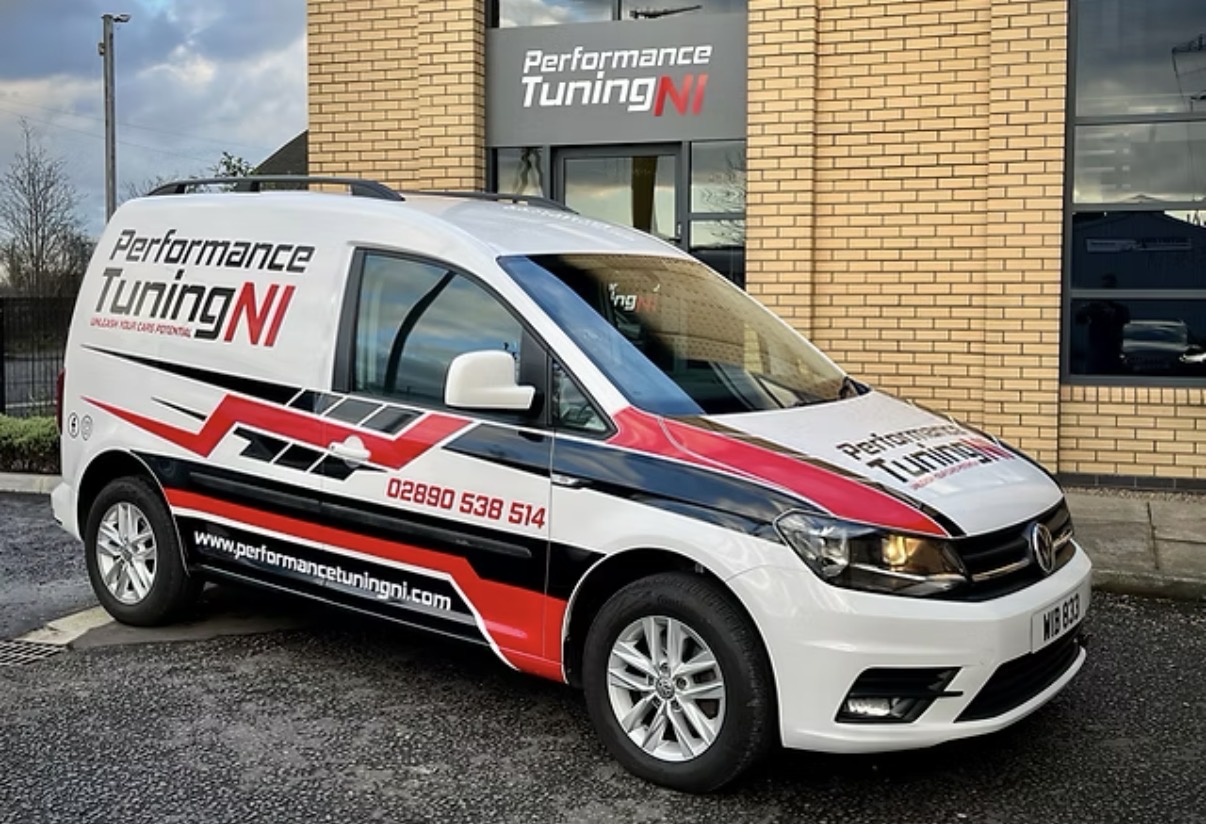
Book a mobile appointment or visit us in-shop.
Estimate your options with our remap calculator.
Read the details on our remapping and speed limiter removal page, or ask for a quote.
FAQ
What happens if you remove the speed limiter?
The car can reach higher speeds, limited then by power, gearing and drag rather than software. Stock tyres, bearings and brakes keep their original ratings, so the margin for error shrinks as speed rises.
Is it legal to remove a speed limiter in the UK?
It depends on the vehicle. Buses with more than eight passenger seats and goods vehicles over 3.5 tonnes must have limiters fitted, and tampering is treated as a major MOT defect. Check your vehicle category before modifying.
Do 20 mph speed limits save lives?
Evidence suggests they do. Transport for London long-term research found a 34 per cent fall in people killed or seriously injured on borough roads after 20mph limits were introduced.
Does a speed limiter use more fuel?
Not in itself. Removing it lets you hold higher speeds, and sustained high-speed driving generally burns more fuel and wears tyres and brakes faster.
Sources
Recommended