
20–35% Torque Gains: Diesel vs petrol remap for NI drivers

Diesel engines typically gain more low-end torque and better everyday economy from a remap, while petrol engines respond with sharper throttle feel and higher peak power. Both come with limits: emissions equipment and MOT rules restrict what a legal remap can touch, and proper diagnostics matter more than the fuel type. The pattern holds consistently across workshop results from tuning thousands of cars.
TL;DR:
Diesel remaps mainly increase torque by 20 to 35 percent and power by up to 25 percent, with actual gains depending on turbo condition and maintenance.
Petrol remaps improve throttle response and higher rev range performance, but tend to yield smaller fuel economy improvements than diesels.
Both fuel types require careful diagnostics beforehand, especially for hardware wear like turbos or DPFs, to avoid accelerating faults.
Legally, remaps that modify emissions hardware can cause MOT failures and legal issues, but a map that stays within factory emissions limits is typically compliant.
The best candidates for remapping are vehicles with a healthy engine, good maintenance history, and no existing hardware faults, with results verified through datalogs and dyno charts.
Table of Contents
How remapping changes a diesel engine versus a petrol engine
A diesel and a petrol engine run on completely different combustion principles, so a remap adjusts different parts of the engine management system on each.
Diesels are compression-ignition engines. There’s no spark plug involved, so the ECU controls combustion through injection quantity, injection timing and boost pressure. A diesel remap typically adjusts:
Fuel injection quantity and timing, delivering more diesel at the right moment in the compression stroke
Turbo boost pressure, raised within the limits the hardware can safely handle
EGR behaviour, which affects how much exhaust gas recirculates and how the engine responds under load
Petrols are spark-ignition engines, so their maps centre on ignition timing, air-fuel ratio and throttle response. A petrol remap typically adjusts:
Ignition timing, advancing or retarding the spark for more complete combustion
Fuelling maps, richening or leaning the mixture across the rev range
Throttle response curves, sharpening how quickly the engine reacts to pedal input
The practical result shows up differently behind the wheel. A remapped diesel pulls harder from low revs, which matters when towing a trailer or overtaking on a motorway without dropping two gears. A remapped petrol tends to feel sharper everywhere but delivers its biggest gains higher up the rev range, where enthusiast drivers spend more time. Neither change happens in isolation. Because diesel engines rely on EGR and DPF systems to manage emissions, any map change interacts with that hardware, which is one reason pre-remap diagnostics matter more on a diesel than many drivers expect.
Realistic gains: power, torque and fuel economy changes
The numbers that circulate online for remap gains are often best-case figures from a dyno run on a healthy engine, not what every driver should expect.
Turbo diesels typically see torque gains of 20 to 35% on everyday cars, according to Performance Tuning NI’s own tuning data, with turbo diesel remaps delivering up to 25% more power in measured workshop results.
Several variables push a result toward the top or bottom of these ranges:
Turbo size and condition cap how much extra air a diesel can use before boost gains become pointless
Existing modifications, such as a previous remap or aftermarket intake, change the baseline the tuner works from
Maintenance history, including injector condition and service intervals, affects how reliably an engine can take extra load
Economy changes follow a similar pattern. Diesel drivers often see a genuine fuel economy improvement because a well-tuned diesel needs less throttle input to produce the same performance. Petrol economy gains are usually smaller and more dependent on driving style. Emissions are not guaranteed to improve alongside power. Testing on modified ECU control maps found that parameter changes which increase power can also raise particulate matter and NOx output in certain driving cycles, so the specific map matters as much as the fuel type.
Costs, typical packages and what affects price
Pricing shapes vary depending on whether you want a standard stage 1 map or a bespoke tune built around specific modifications.
A standard remap such as our Engine Remap is listed at £229 one-off, covering the core ECU tuning most drivers need.
AdBlue removal, listed at £299 one-off through the same remap calculator, addresses a specific emissions-system issue rather than performance tuning itself.
Bespoke or dyno-proven tunes for heavily modified cars cost more than a standard map, since they require custom calibration rather than a pre-built file.
Add-ons such as carbon cleaning, DPF work or EGR solutions raise the total cost but address problems a remap alone cannot fix.
Mobile appointments add convenience without necessarily changing the underlying price structure, since the work itself is the same regardless of location. What should stay consistent regardless of package is the process: pre-diagnostic checks, an original file backup before any changes, and datalogs or dyno charts afterwards that actually prove what the car gained.
Risks, reliability and the checks you must do before a remap

Remapping a car with an existing mechanical fault doesn’t fix the fault, it usually makes the fault fail faster. A turbo already showing signs of wear, injectors past their service life, or a DPF close to blocking will all come under more strain once power and torque increase.
Before any remap, a reputable workshop should run through:
A full fault-code scan to catch existing issues the remap could worsen
A turbo health check, since boost increases put direct load on seals and bearings
DPF status, as a partially blocked filter under more load can fail outright
An original file backup, so the car can always be returned to its factory state
Reputable tuners also set a safety ceiling specific to the engine. For diesels that’s usually built around exhaust gas temperature and DPF capacity, for petrols it’s built around the knock limit, and going past either causes limp mode or hardware damage rather than extra power. Datalogs taken before and after the remap are what prove the car is running within those limits, not just making more noise.
Pro Tip: If daily running costs matter more than outright speed, ask for an economy-focused map rather than a performance one. They use the extra torque to let the engine work less hard, rather than chasing peak output.
Legal, MOT and emissions implications
UK law is specific about what emissions equipment can and cannot be removed, and a remap that strips out that hardware creates legal exposure beyond the MOT itself.
Under Regulation 61a(3), it’s illegal to use a vehicle that’s been modified so it no longer meets the emissions standard it was built to, and a car that had a DPF fitted at manufacture but no longer has one will fail its MOT. The MOT inspection manual confirms testers must visually check DPFs, catalytic converters and EGR systems, failing vehicles where equipment fitted at manufacture is missing or obviously tampered with.
DPF removal is covered separately: GOV.UK guidance on catalytic converters and DPFs states that fitting a non-type-approved DPF to a Euro 5 or later vehicle is illegal, and factory DPF removal will usually fail the MOT.
Catalytic converter tampering faces the same scrutiny during inspection, with testers checking for obvious modification.
Insurance disclosure matters because a remap can count as a modification insurers expect to know about, and undisclosed changes risk a claim being refused later.
A legal remap focused purely on fuelling, timing and boost, without touching emissions hardware, avoids these issues entirely, as explained in detail on the can bus immobiliser legal UK guidance.
Which fuel and driving use case suits remapping best
Matching the remap to how you actually drive matters more than chasing the biggest number on a spec sheet.
High-mileage and towing drivers generally see the most practical benefit from a diesel remap, since the extra low-end torque reduces gear changes and engine strain under load.
Enthusiast drivers who value throttle response and short bursts of acceleration tend to get more satisfaction from a petrol remap, where the sharper power delivery is immediately noticeable.
Commuters covering mixed urban and motorway miles usually benefit from an economy-focused diesel map, since it reduces throttle input needed for the same journey.
Non-turbo engines have far less to gain from remapping, since most of the available headroom in a remap comes from adjusting boost and injection, neither of which applies in the same way.
Remapping is not recommended on a high-mileage engine already showing hardware faults. Fixing a failing turbo or a near-blocked DPF should always come before tuning, not after.
Authoritative practice and Performance Tuning NI evidence
A dependable remap process looks the same regardless of fuel type: diagnose first, back up the original file, apply a map suited to the car’s actual condition, then prove the result rather than just promise it.
Pre-diagnostic checks and original file backups happen on every remap we carry out, so the car can always be returned to its factory state
Datalogs and dyno charts provide verifiable proof of what changed, rather than relying on driver impression alone
Safety ceilings matched to the engine stop a map exceeding what the turbo, injectors or exhaust system can handle
For more detail on what the process involves, our guides on remap safety checks and long-term reliability effects cover the technical side in full.
When I’d recommend a remap, and when I wouldn’t
I recommend a remap when the car has a clean fault-code history, a healthy turbo and a service record that backs up regular maintenance. I’d hold off if the DPF is already struggling, if injectors are overdue a check, or if the driver wants performance gains to mask a problem that needs a mechanic first.
— Mark
Get a remap quote from Performance Tuning NI
Whether you’re after stronger towing torque from a diesel or sharper throttle response from a petrol, we build every map around your car’s actual condition, not a generic file.
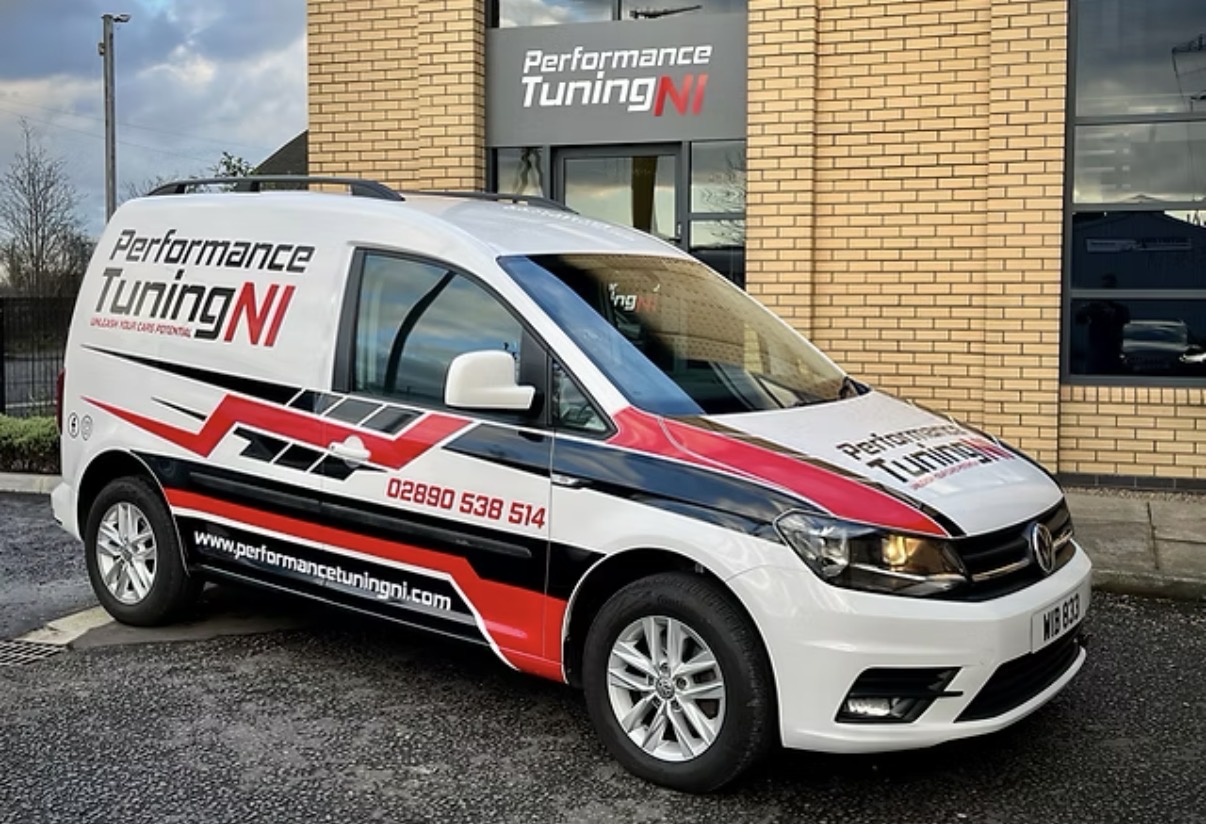
Our Engine Remap and Economy Remapping options cover the most common requests, and EGR and DPF solutions handle hardware issues that need fixing before any tuning. Start with the remap calculator to see pricing for your vehicle, or book a diagnostics appointment first if you’re unsure of your car’s condition. Every remap includes a pre-check, an original file backup and datalog proof of the result.
FAQ
Will 1 litre of petrol damage a diesel engine?
Putting petrol into a diesel tank can cause serious damage because diesel engines rely on the fuel itself for lubrication within the injection system, which petrol doesn’t provide. Even a small amount mixed in in can cause issues, so the safest approach is to avoid driving the car and have the tank drained before starting the engine.
Will a remapped car pass MOT?
A remap itself doesn’t automatically fail an MOT, but removing emissions equipment it depends on, such as a DPF or catalytic converter, will. A legal remap that adjusts fuelling, timing and boost without touching that hardware should pass the same checks as before.
Can insurers tell if a car is remapped?
Insurers can’t automatically detect a remap, but a claim investigation after an incident can reveal one, particularly if a dyno report or ECU log exists. Declaring a remap when you take out or renew cover is the safer route, since an undisclosed modification risks a claim being refused.
Is petrol or diesel better for driving 10,000 miles a year?
The better fuel choice depends more on the type of driving than the mileage figure alone, since diesel suits motorway-heavy and towing use while petrol suits shorter, varied journeys. A diesel remap tends to pay off more on higher-mileage, load-bearing driving, while a petrol remap suits drivers prioritising response over fuel savings.
Sources
Recommended