
Diagnose Excessive AdBlue Use With an OBD Check

Burning through AdBlue faster than expected usually means a genuine fault, not bad luck. Before you buy parts or book a repair, check the live SCR_dose_qty reading through an OBD scan: it tells you in minutes whether your system is over-dosing or whether a sensor is lying to you. Most causes are kerb-side checkable; a smaller number need a workshop with proper diagnostic tools.
TL;DR:
Using more than 50% above expected AdBlue consumption indicates a fault, such as leaks, faulty injectors, or sensor issues, and should trigger a warning.
Visual inspection for crystallized deposits or a faint ammonia smell can quickly identify leaks around the tank or filler neck as common causes of overuse.
Running an OBD scan to compare live SCR_dose_qty readings at idle and steady cruise helps distinguish between physical faults and duty-cycle driven increases.
Small repair costs like resealing hoses or replacing damaged tanks should be prioritized over expensive parts, with proper diagnostics confirming the fault before major work.
Fitting an AdBlue emulator or disabling the SCR system is illegal and can result in revoked operator licenses; lawful diagnosis and repair are essential.
Table of Contents
What counts as ‘too high’: benchmarks and quick maths
A reasonable starting rule is around 1 litre of AdBlue for every 600 miles, which puts typical usage at roughly 1% to 6% of your diesel consumption depending on the vehicle. Ford’s own guidance shows a full tank lasting anywhere from about 2,330 to 6,835 miles across its range, which is a wide spread before you even factor in how the vehicle is driven.
Say you’ve just put 20 litres in. At the low end of consumption that could cover thousands of miles; at the high end, substantially fewer, varying by vehicle. If you’re burning through that same 20 litres in a few hundred miles, something is wrong.
Light cars and vans typically sit toward the lower end of the consumption range.
Towing, high loads and motorway cruising push usage up within the normal band.
A sudden jump that doesn’t match a change in driving usually points to a fault, not a new habit.
A deviation greater than 50% from expected reagent consumption is significant enough that EU emissions monitoring rules require it to trigger a driver warning. That threshold is a useful sanity check: if your usage has roughly doubled, you’re in fault territory, not just “driving harder than usual.”
Common causes and the quick checks you can do yourself
Most high-consumption cases trace back to a short list of repeat offenders. Working through them in order, cheapest and easiest first, saves you from paying for parts you didn’t need.
Leaking dosing lines or tank damage. Look for crystallised white or pale deposits around the tank cap, filler neck or under the vehicle, along with a faint ammonia-like smell; both point to AdBlue escaping somewhere it shouldn’t.
Injector or nozzle faults. A sticking or leaking dosing injector can dump reagent continuously rather than in metered pulses, draining the tank even when the vehicle is standing still.
NOx or level sensor faults. A faulty sensor can report incorrect readings that trick the ECU into over-dosing to “correct” a problem that doesn’t exist; this is one of the more common causes of a false high-consumption fault.
Contaminated or frozen AdBlue. AdBlue has a finite shelf life and thickens in cold weather; old, diluted or frozen fluid behaves unpredictably and can confuse both sensors and dosing logic, as ACEA’s technical guidance on handling and storage makes clear.
Driving pattern. Short trips, frequent cold starts, towing and sustained high-speed or uphill running all genuinely increase dosing, without any fault being present at all.
Tampering or emulator devices. Altered wiring near the SCR system, an unfamiliar box spliced into the harness, or dosing that simply stops regardless of fault codes are signs of an emulator fitted to defeat the system, which is both a safety and a legal issue.
Pro Tip: Check the AdBlue filler cap and surrounding bodywork for crusty white residue before you do anything else; it’s the single fastest clue that you’re looking at a leak rather than a sensor fault.
If contamination or a persistent odour around the tank area is the issue, it’s worth ruling out a simple spill rather than assuming the worst; our AdBlue system fault guide covers the more common fault patterns in more detail.
A 10-minute diagnostic routine before you book a workshop
Run through this before assuming the worst:
Check when you last filled up, which brand of AdBlue you used, and whether it’s within its expiry date.
Inspect the tank neck and surrounding area visually for crystallised deposits or obvious contamination.
Plug in an OBD reader (or ask a technician) and pull the live SCR_dose_qty figure along with any stored SCR-related fault codes.
Compare that live dosing figure against expected values at idle and again at a steady cruise; a reading wildly outside the normal band at idle is a strong fault signal.
Photograph or save the live-data screen so you have a reference point if the problem returns or a workshop needs to see it.
Inspect dosing lines, the injector and tank connections for visible leaks, loose fittings or chafed hoses.
Cross-check your recent diesel usage against AdBlue usage: if diesel burn has also gone up (heavier load, more miles, more idling), higher reagent use may simply be proportional and not a fault at all.
What to look for at each stage:
A live SCR_dose_qty that spikes at idle with no obvious reason usually points to an injector or sensor fault.
Stored fault codes referencing NOx sensors or SCR efficiency narrow the search considerably.
No leaks, no stored codes and dosing proportional to diesel use usually means your consumption is simply duty-cycle driven.
If diesel use and AdBlue use have moved together, you may be looking at normal behaviour rather than a fault, in which case it’s worth reading our piece on what AdBlue actually does to understand why heavier driving pushes dosing up.
Service options, repair priorities and compliance cautions
Start with the cheapest, most verifiable fix and work upward. A damaged hose or a loose seal costs little to repair and should always be ruled out before anything else is touched.
Replace or reseal visibly damaged dosing lines, connectors or tank seals first, then re-test live dosing to confirm the fix worked.
Injector replacement, sensor swaps or a tank flush are reasonable next steps once leaks are ruled out, though they take longer and cost more, so insist on a datalog showing the fault before agreeing to any of them.
ECU software recalibration or a manufacturer software update is appropriate where dosing logic itself seems to be misreading sensor inputs rather than a physical part failing.
Pro Tip: Ask any workshop to show you the live-data trace or printed datalog that led to their diagnosis before you authorise a repair; a diagnosis without evidence is a guess.
One warning worth taking seriously: fitting an AdBlue emulator or otherwise disabling the SCR system to stop dosing is illegal and UK regulatory and tribunal decisions have resulted in operator licences being curtailed or revoked where emulators were found fitted. Stick to lawful diagnostic and repair routes, and treat any quoted fix that avoids proper dosing altogether as a red flag.

Technician perspective and practical takeaways
Too many AdBlue repairs start with a part swap and end with the same fault returning a month later. Live data beats guesswork every time: a SCR_dose_qty trace tells you whether you’re chasing a real leak, a lying sensor, or nothing at all. Ask for a printed datalog before you approve any work, and keep a simple log of fill dates and mileage so a creeping fault shows up early rather than as a surprise warning light.
— Mark
How a specialist workshop can help with persistent AdBlue faults
If your own checks point to a genuine SCR fault rather than driving pattern, a proper diagnostic session with live-data equipment and genuine tools sorts out what a visual inspection can’t. We carry out AdBlue-related diagnostics and repair work alongside core remapping services, and every job starts with pre-diagnostic checks and original file backups used on ECU work.
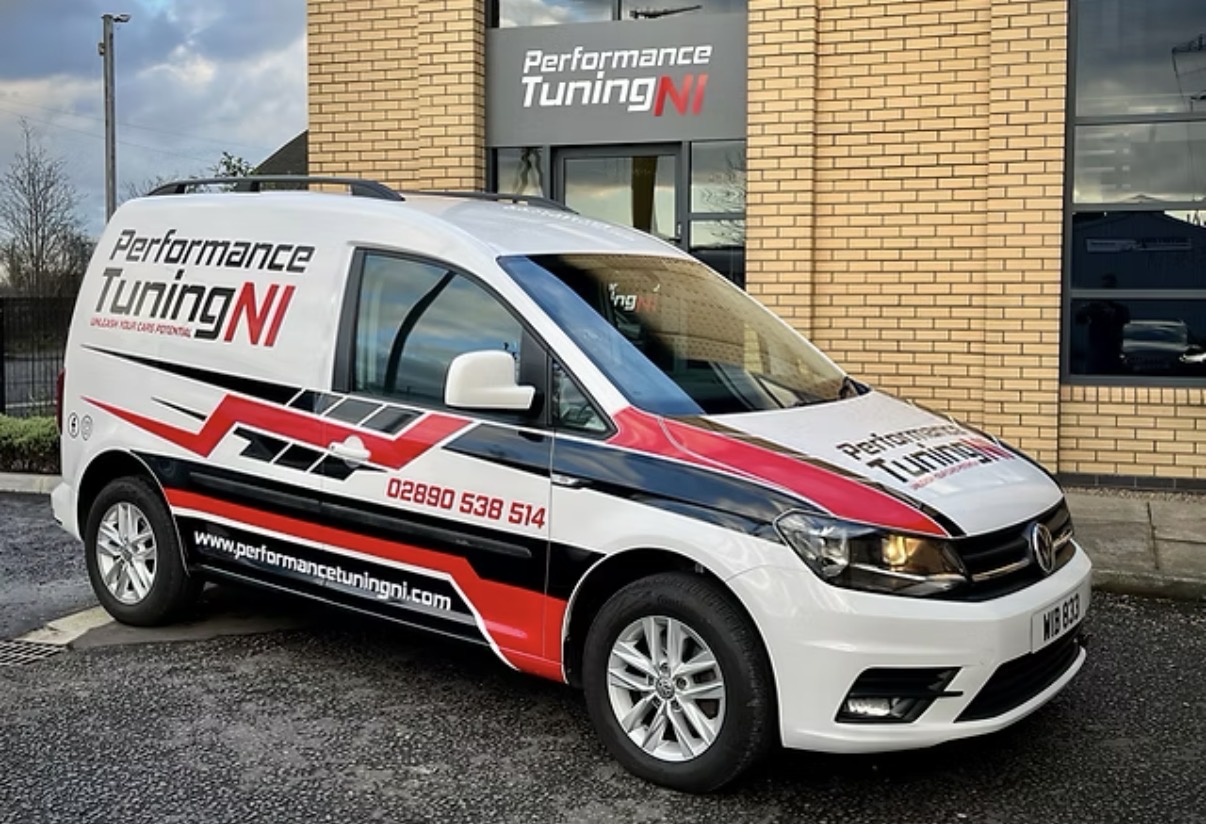
We can diagnose dosing faults, injector problems and sensor issues using proper diagnostic tools rather than guesswork.
Where the SCR system itself is the ongoing problem rather than a repairable fault, our AdBlue Delete service is one route some owners choose.
Every appointment includes a written quote and a test after the work, so you’re not left guessing whether the fix actually worked.
If you’re weighing this up against other engine management work, our remap calculator gives you a quick estimate for remapping or AdBlue-related services based on your registration.
FAQ
Why am I using so much AdBlue?
The most common causes are a leaking dosing line, a faulty injector that over-doses, or a sensor feeding the ECU incorrect readings. Short trips, towing and sustained high loads can also legitimately push consumption up without any fault being present at all.
Why is my AdBlue running out so fast?
A sudden drop usually means a physical leak or an injector stuck dosing more than it should, rather than a change in how you’re driving. Checking the live SCR_dose_qty reading via OBD is the fastest way to confirm whether the system is genuinely over-dosing.
How many miles will 20 litres of AdBlue last?
It depends heavily on the vehicle and duty cycle: Ford’s guidance shows full tanks lasting anywhere from roughly 2,330 to 6,835 miles across different models. Using the rough rule of 1 litre per 600 miles, 20 litres might cover a few thousand miles depending on the vehicle.
Is it best to keep an AdBlue tank full?
Running the tank low increases the risk of running out unexpectedly and triggering a restricted driving mode, so topping up before it gets critically low is sensible. AdBlue also has a limited shelf life and thickens in cold weather, so ACEA’s handling guidance recommends using fresh, properly stored fluid rather than letting old reagent sit in the tank for long periods.
Sources
The consumption thresholds and monitoring rules referenced above come from Commission Directive 2005/78/EC, which sets out how reagent consumption monitoring works and when a deviation should trigger a warning. Ford’s consumer guidance gives manufacturer-specific typical ranges, while ACEA’s technical paper covers how AdBlue works and how to handle it safely. Findings on the legal consequences of SCR tampering are drawn from UK tribunal and regulatory decisions.
Recommended