
AdBlue explained: what drivers need to know
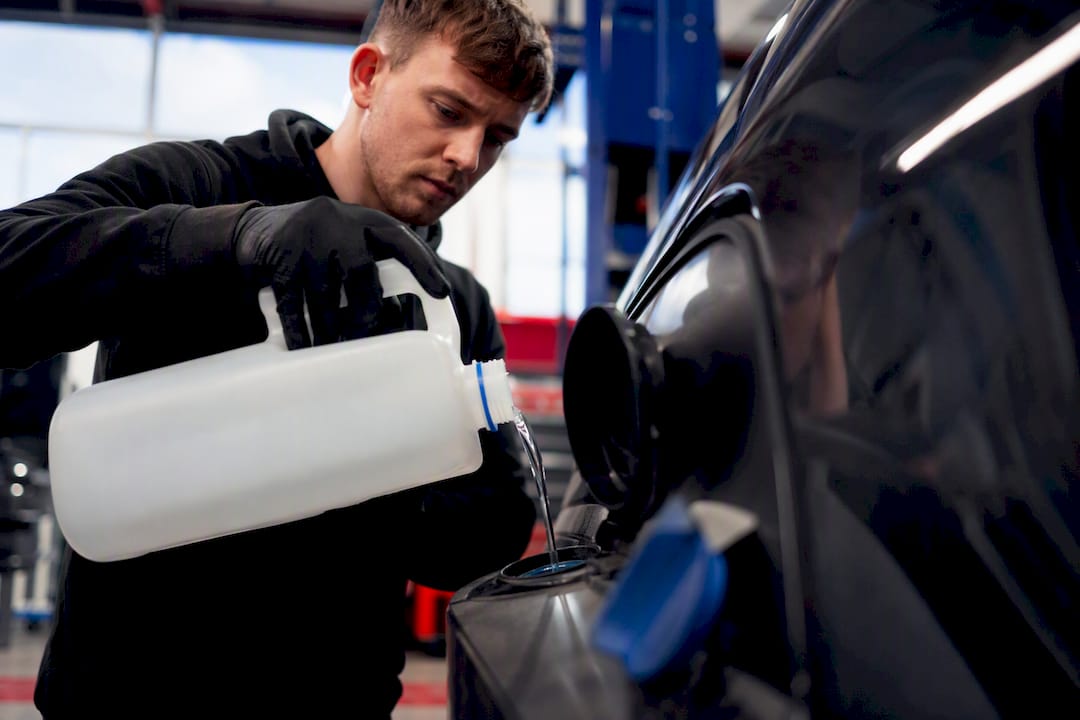
AdBlue is a 32.5% urea solution (also called DEF or AUS 32) that’s injected into the exhaust system of diesel vehicles to break down harmful nitrogen oxides into nitrogen and water. Any diesel car, van or lorry with selective catalytic reduction (SCR) technology needs it to stay within Euro 6 emissions limits, and driving without it isn’t really an option: most vehicles will restrict power or refuse to start once the tank runs dry.
If you’re staring at a warning light right now, here’s what matters immediately:
Check the second filler cap (usually blue) next to your diesel cap
Note any remaining mileage shown on the dashboard
Top up with an ISO 22241-compliant fluid as soon as you reasonably can
Don’t ignore the warning. It won’t fix itself
Key Takeaways
AdBlue works by converting nitrogen oxides into harmless nitrogen and water inside the SCR catalyst, and skipping it risks both emissions failures and expensive engine damage.
Point | Details |
Know the composition | AdBlue is 32.5% urea and 67.5% deionised water, standardised under ISO 22241. |
Check for the blue cap | A secondary blue filler cap near the diesel filler confirms your car uses AdBlue. |
Act on warnings early | Ignoring a low AdBlue warning can trigger limp mode or prevent the engine starting. |
Buy compliant fluid | Stick to ISO 22241 fluid from suppliers like Yara or TotalEnergies to protect the SCR catalyst. |
Store it correctly | Keep AdBlue cool, shaded, and sealed. It freezes around minus 11°C but vehicle heating systems handle that automatically. |
Table of Contents
What is AdBlue, DEF and AUS 32?
These three names describe exactly the same product. AdBlue is the trademarked name used widely across Europe, DEF (diesel exhaust fluid) is the common term in North America, and AUS 32 is the technical designation you’ll sometimes see on datasheets. Whichever label you spot on the shelf, it’s the same fluid doing the same job.
The composition is fixed by an international standard, not a marketing choice. Genuine AdBlue is 32.5% high-purity urea and 67.5% deionised water, and that ratio matters more than it sounds. A weaker or contaminated mix can throw off the chemical reaction inside your SCR catalyst and, over time, damage it.
32.5% is not a rough guideline. It’s the precise concentration set by ISO 22241, the quality standard that virtually every reputable supplier manufactures to. Buy fluid outside that spec, whether diluted, contaminated, or simply mislabelled, and you risk:
Crystallisation inside injectors and dosing lines
Reduced NOx conversion efficiency
Premature SCR catalyst failure, which is an expensive part to replace
How does the AdBlue system actually work?
The process is a straightforward chain reaction, even though the chemistry sounds technical. Here’s the sequence from combustion to clean exhaust:
Diesel burns in the engine, producing exhaust gases loaded with nitrogen oxides (NOx)
A dosing pump injects a precise, small amount of AdBlue into the hot exhaust stream
The heat causes the urea to thermally decompose into ammonia
That ammonia reacts with NOx inside the SCR catalyst
The reaction converts the NOx into harmless nitrogen and water vapour, released through the tailpipe
The hardware behind this involves six main components: the AdBlue tank, a dosing pump, an injector positioned ahead of the catalyst, the SCR catalyst itself, NOx sensors that monitor exhaust gas both before and after treatment, and the engine control unit that manages dosing rates in real time based on load, temperature and driving conditions.
The efficiency of this system is genuinely impressive. Industry data from VDA shows SCR systems can convert up to around 80% of NOx emissions in many real-world applications, which is why AdBlue has become central to modern diesel engines meeting Euro 6 limits rather than an optional extra.
Does my car need AdBlue?
Most diesel vehicles built from around 2015 to 2016 onwards use SCR and therefore need AdBlue, since that’s roughly when Euro 6 compliance pushed the technology into mainstream production. This spans everything from family hatchbacks to heavy goods vehicles.
Three quick checks confirm whether your car is one of them:
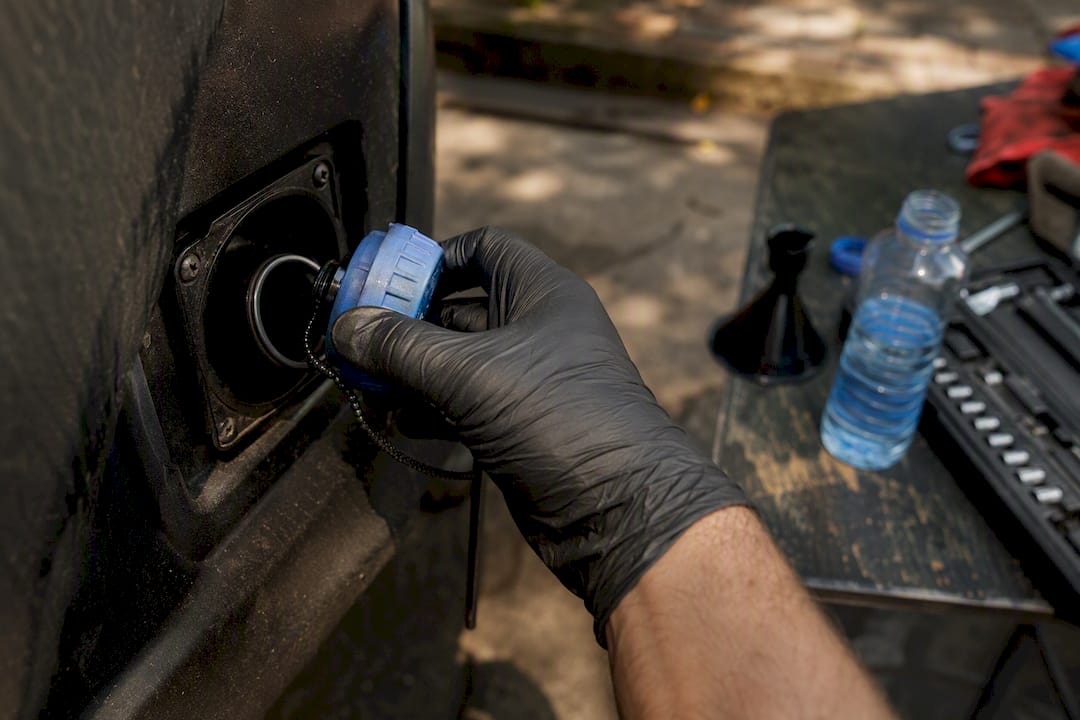
Look for a second filler cap, usually coloured blue, sitting near your diesel filler neck
Check your owner’s manual for any mention of AdBlue, DEF or SCR
Look for a service sticker or dashboard reference the last time your car was serviced
Ford’s own guidance to owners points to the blue filler cap as the fastest visual confirmation, and it’s genuinely the quickest way to settle the question without digging through paperwork.
Pro Tip: The AdBlue filler is almost always smaller than your diesel filler and sits either in the boot, under the bonnet, or right beside the fuel cap. Never guess. Pouring AdBlue into the wrong opening, or diesel into the AdBlue tank, causes far more damage than running the AdBlue tank dry ever would.
What happens if you don’t top up AdBlue?
Manufacturers build in escalating warnings precisely because running dry isn’t a minor inconvenience. Here’s the typical sequence as levels drop:
An early warning appears showing remaining range, often around 1,500 to 2,400 kilometres depending on the model
Warnings intensify as the tank nears empty, sometimes accompanied by reduced engine power
Once completely empty, many vehicles enter limp mode with severely restricted performance
Some manufacturers program a hard lockout: the engine simply won’t restart until AdBlue is topped up
RAC’s guidance confirms that running out can trigger dashboard warnings, limp mode, or prevent the engine from starting altogether on certain models, and the exact behaviour varies by manufacturer rather than being universally standardised.
There’s a second risk that gets less attention than the warning lights themselves: using contaminated or non-compliant fluid to top up in a hurry.
Poor-quality or diluted AdBlue can crystallise inside the dosing system and contaminate the SCR catalyst. Once that happens, you’re not looking at a top-up bill. You’re looking at catalyst replacement, and that’s a job that runs into hundreds of pounds rather than the cost of a bottle of fluid.
Beyond the mechanical risk, there’s a compliance angle too: a vehicle running without functioning SCR treatment is no longer meeting the emissions standard it was certified against, which can matter at MOT time.
Where is the AdBlue tank and how do you refill it?
The tank sits in one of three common locations: the boot (often under the boot floor near the spare wheel), under the bonnet close to the washer fluid reservoir, or beside the diesel filler neck for easy roadside top-ups. Your owner’s manual will confirm exactly where on your model.
Refilling yourself is simple if you follow a clean sequence:
Turn off the engine and check the tank position in your handbook
Unscrew the blue cap and wipe away any dirt around the opening
Use a dedicated AdBlue nozzle or funnel, never a diesel one, to avoid cross-contamination
Pour steadily and avoid splashing fluid onto paintwork or engine components
Replace the cap firmly and wipe down any spills immediately with water
Consumption is usually modest compared with diesel. Industry guidance suggests AdBlue use runs at roughly 1 to 5% of your diesel consumption, though towing, load and engine size all push that figure higher.
Pro Tip: Check your AdBlue level every time you fill up with diesel. It takes ten seconds and means you’ll never be caught out by a sudden warning on a motorway with no services in sight.
Cost and where to buy AdBlue
You’ve got four realistic buying options, and the right one depends on how often you’re topping up. Small bottles between 1 and 10 litres suit occasional drivers and sit on shelves at most supermarkets and motor factors. Pump dispensers at motorway services and truckstops work well for regular refills and often price by the litre, similar to fuel. Garages and dealerships will refill during a service visit if you’d rather not handle it yourself. Fleet operators typically arrange bulk supply contracts directly with suppliers.
Whichever route you choose, stick to ISO 22241-compliant fluid from an established supplier. Yara and TotalEnergies are two of the most recognised names supplying the UK market, and both manufacture to the standard that protects your SCR catalyst from contamination.
Before buying, a quick checklist helps you avoid the cheap-but-risky option:
Confirm ISO 22241 certification is printed on the packaging
Check the expiry date, since urea solution does degrade over time
Avoid unbranded fluid with no traceable manufacturer
If you’re unsure about compatibility or quantity, let a garage handle the refill during a service
Storing and handling AdBlue safely
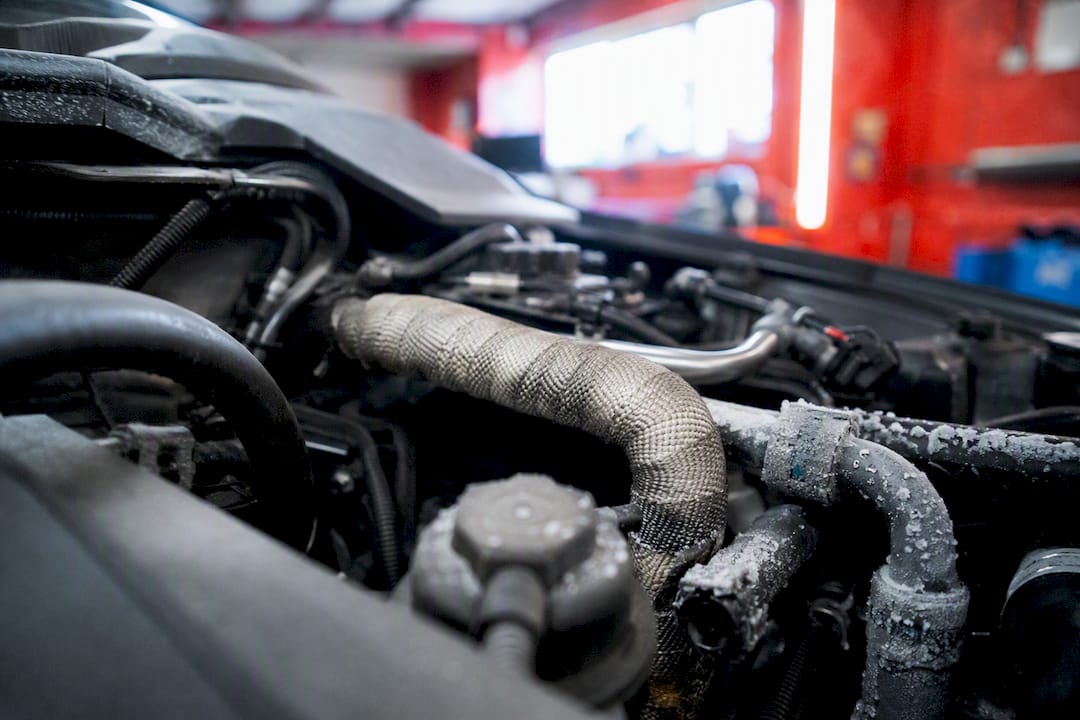
AdBlue freezes at around minus 11°C, which sounds alarming until you realise manufacturers design for it. Vehicle systems use heated lines and, on many models, a heated tank to thaw the fluid automatically once the engine warms up, so a frozen tank in winter isn’t usually a fault, just physics.
For fluid you’re storing yourself, keep it in a cool, shaded spot out of direct sunlight, ideally between 5°C and 25°C, and use the sealed container it came in rather than decanting it into something else.
Handling is low-risk but not entirely without care. AdBlue is non-toxic, but it can damage paintwork and corrode certain metals if left to sit, so wash off any splashes promptly with water.
Never mix AdBlue with anything else, and never pour it into your diesel tank by mistake. The two fillers sit close together on many vehicles, and confusing them causes far more expensive damage than any storage error.
What to do when the AdBlue warning light comes on
Act on the warning rather than waiting for the next service. The steps are simple:
Check your owner’s manual for the specific warning behaviour on your model
Note the remaining range if the dashboard shows one
Top up with compliant fluid as soon as it’s practical, ideally before the range hits zero
If the vehicle enters limp mode or won’t restart, call your garage rather than guessing at a fix
Some models allow a short grace period with reduced power; others lock out entirely. Either way, treat the warning as a same-week job, not a same-month one.
A safe top-up checklist and mistakes to avoid
A clean, methodical approach prevents almost every AdBlue problem drivers run into. Follow this sequence:
Buy ISO 22241-certified fluid from a known supplier
Park up, switch off the engine, and locate the correct blue filler cap
Use a dedicated AdBlue nozzle or spout, never a diesel funnel
Pour carefully, avoiding contact with paintwork or nearby engine parts
Screw the cap back on securely and check for a firm seal
The mistakes worth avoiding are predictable once you know them: using non-compliant or diluted fluid, pouring into the wrong filler, overfilling past the tank’s capacity, storing bottles in direct sunlight, and ignoring early warning lights because “there’s still range left.”
Pro Tip: Keep a small sealed bottle of AdBlue in the boot for long trips, and jot down each top-up date and quantity in your service log. It takes seconds and gives you (or your garage) a clear maintenance history if anything ever needs investigating.
Author perspective: treat AdBlue like an oil check
AdBlue maintenance deserves the same casual attention as checking oil or tyre pressure, not a scramble when a warning light appears. The fluid is cheap, the top-up takes minutes, and the alternative, a contaminated SCR catalyst, costs vastly more to put right. Consult your owner’s manual or a trusted workshop for anything model-specific, and check our AWD system service best practices: the expert guide to maintain your drivetrain effectively; you’ll rarely think about AdBlue between top-ups.
Get expert help with AdBlue-related faults
If your AdBlue warning has already progressed to reduced power, a persistent fault code, or a system that won’t clear itself, that’s a job for diagnostic equipment rather than guesswork. Performancetuningni handles AdBlue system faults alongside broader engine management diagnostics, and can advise honestly on whether a top-up, a sensor repair, or a different approach makes sense for your specific vehicle and mileage.
For drivers dealing with recurring SCR issues or considering their options in more depth, Performancetuningni’s engine remapping and ECU tuning services cover diagnostics and tailored solutions across petrol and diesel vehicles, backed by a five-star Google rating built on thousands of cars tuned. Get in touch before a small warning light becomes a bigger repair bill.
Frequently asked questions
Is AdBlue the same as DEF or AUS 32? Yes. AdBlue, DEF and AUS 32 all describe the same standardised urea solution used in SCR systems, just under different regional names.
How often do I need to refill AdBlue? Most drivers top up every 6,000 to 10,000 miles, though consumption depends on your driving style, load and engine size, so check your dashboard rather than relying on mileage alone.
Can I put AdBlue in my diesel tank by accident? Don’t. The fillers are separate and usually clearly marked, but if you do mix them up, don’t start the engine, and contact a garage immediately to have the tank drained and flushed.
What happens if I use the wrong type of AdBlue? Non-compliant or diluted fluid can crystallise inside the dosing system and contaminate the SCR catalyst, leading to reduced performance and potentially expensive repairs.
Does cold weather affect AdBlue? AdBlue freezes at around minus 11°C, but most vehicles have heated tanks and lines that thaw it automatically once the engine is running, so it rarely causes lasting problems.
Sources
Recommended