
Should you remap your car?
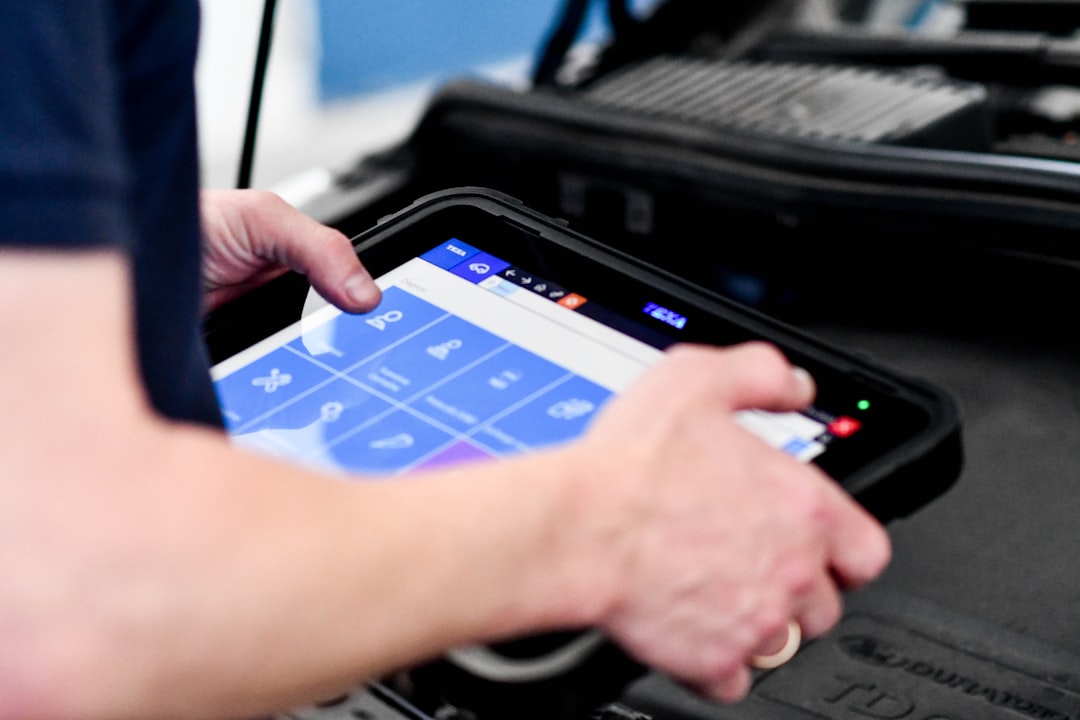
Yes, remapping can deliver measurable power, torque and drivability gains, but it also brings warranty, insurance and emissions trade-offs you need to weigh first.
Benefits: More power and torque, sharper throttle response, and often better fuel economy under steady driving.
Risks: Possible warranty disputes, mandatory insurance disclosure, and possible engine issues if done badly.
Who to trust: Check guidance from Gov and RAC Drive, and book with a specialist such as Performance Tuning NI who backs up your original file before touching anything.
Key Takeaways
Remapping delivers real power, torque and often fuel-economy gains, but only when a qualified tuner backs up your original file.
Point | Details |
Turbo engines gain most | Boost and fuel recalibration together produce the biggest torque improvements. |
Economy depends on driving style | Stage 1 diesel remaps can improve MPG by 5 to 15 percent under steady driving only. |
Insurance disclosure is mandatory | Failing to tell your insurer about a remap risks a voided policy, not just higher premiums. |
File backup is non-negotiable | A saved original ECU file lets you revert fully if anything goes wrong. |
Performancetuningni offers verified remaps | Health checks, file backups and dyno verification come standard on every remap booked. |
Table of Contents
Why should I remap my car? What ECU remapping actually changes
An ECU remap rewrites the software inside your engine control unit rather than swapping any physical part. The calibration tables it edits control fuel delivery, ignition timing, boost pressure (on turbo engines), and torque limiters, the settings that decide how hard your engine is allowed to work.
Three methods dominate the trade. OBD port flashing plugs into the diagnostic socket and is the quickest route for a standard Stage 1 remap. Bench flashing connects directly to the ECU off the car, sometimes necessary for deeper access. Live or dyno mapping goes further still, adjusting the file in real time while the car runs on rollers, which Carwow explains as the process of reading the original file, modifying it, then writing it back after testing.
OBD flash: fast, common, ideal for Stage 1 work.
Bench flash: used when deeper ECU access is required.
What benefits can you realistically expect from a remap?
Gains vary sharply by engine type. Turbocharged engines respond best to remapping because boost pressure and fuel delivery can be recalibrated together, often producing noticeably more mid-range torque. Naturally aspirated engines have far less headroom, since there’s no turbo map to adjust, so gains tend to be smaller and more about refinement than raw numbers.
The drivability improvement is usually what owners notice first, not the peak figures. Throttle response sharpens, flat spots in the power band shrink, and overtaking on a motorway feels less like a gamble. For anyone who tows or drives a load-carrying vehicle regularly, that extra low-down torque takes real strain off the engine rather than asking it to work harder.
Fuel economy gains are real but conditional. Some Stage 1 diesel remaps improve economy by 5 to 15 percent in normal driving, because the extra torque at lower revs means less throttle input is needed for the same speed. Drive that same car aggressively, using every bit of the extra power on every junction, and those savings disappear fast.
Turbo engines: bigger gains, more headroom to work with.
Daily commuters: often the best economy improvement.
Towing or motorway drivers: torque gains reduce strain during overtakes and inclines.
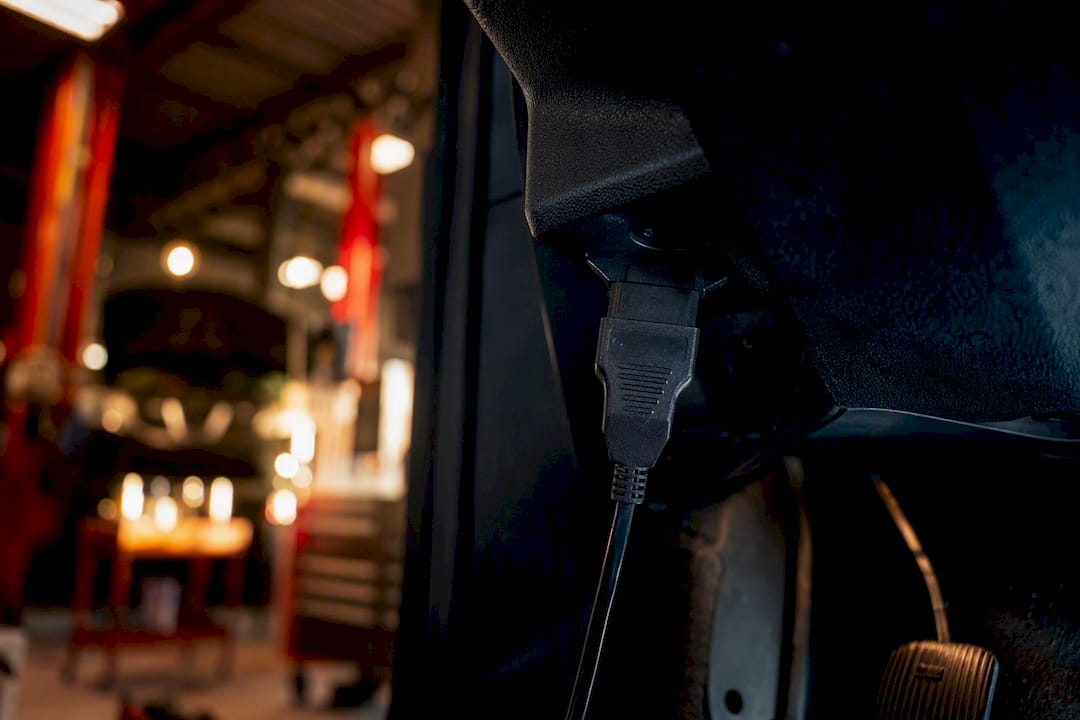
How is a remap actually carried out at a workshop?
A proper remap follows a fixed sequence, and skipping steps is where problems creep in.
Health check first. A pre-remap diagnostic scan catches existing mechanical faults before they get blamed on the tune. Carwow notes that many post-remap issues are actually pre-existing faults surfacing for the first time.
Back up the original file. Whether read via OBD or bench, this file is your safety net, allowing a full return to factory settings if anything goes wrong.
Custom calibration over generic files. Bespoke tuning tailored to your specific ECU and fuel outperforms one-size-fits-all files, with datalogging tracking the changes as they’re made.
Verify and write the file. A test drive or dyno run confirms the map behaves as intended before it’s finalised.
Pro Tip: Always ask to keep a copy of your original file. If you sell the car or move to a different tuner later, having it saves time and money.
How much does a remap cost and how long does it take?
A standard Stage 1 OBD flash typically takes under an hour and sits at the lower end of the price scale. Bespoke dyno-tuned custom maps cost more and take longer, often a few hours, because they involve iterative adjustments and live verification rather than loading a pre-written file.
Stage 1 OBD flash: quickest option, suits most standard turbo cars.
Add-ons: carbon cleaning beforehand, mechanical pre-work, or bespoke development all add to the final price.
Mobile visits: convenient, though bench work sometimes still needs a workshop visit.
How do you choose a tuner and spot the red flags?
Before booking anything, run through a short checklist covering your car and your intentions.
Is the vehicle still under manufacturer warranty, and are you prepared for that conversation with the dealer?
What’s the car’s maintenance history, has it had recent cambelt, clutch or cooling work?
Do you want performance, economy, or a blend of both?
Then interrogate the tuner directly:
Do they run a mechanical health check before touching the ECU?
Will they back up and hand over your original file?
Do they datalog and verify on a dyno or through live road tuning?
What happens if something goes wrong after the remap?
Walk away from anyone offering a generic file with no pre-checks, refusing to demonstrate their work, or promising unrealistic power figures with no caveats. A tailored map developed on a dyno with datalogging will always beat a downloaded file claiming the same numbers for every car on the road.
Why experience and file backups matter more than marketing
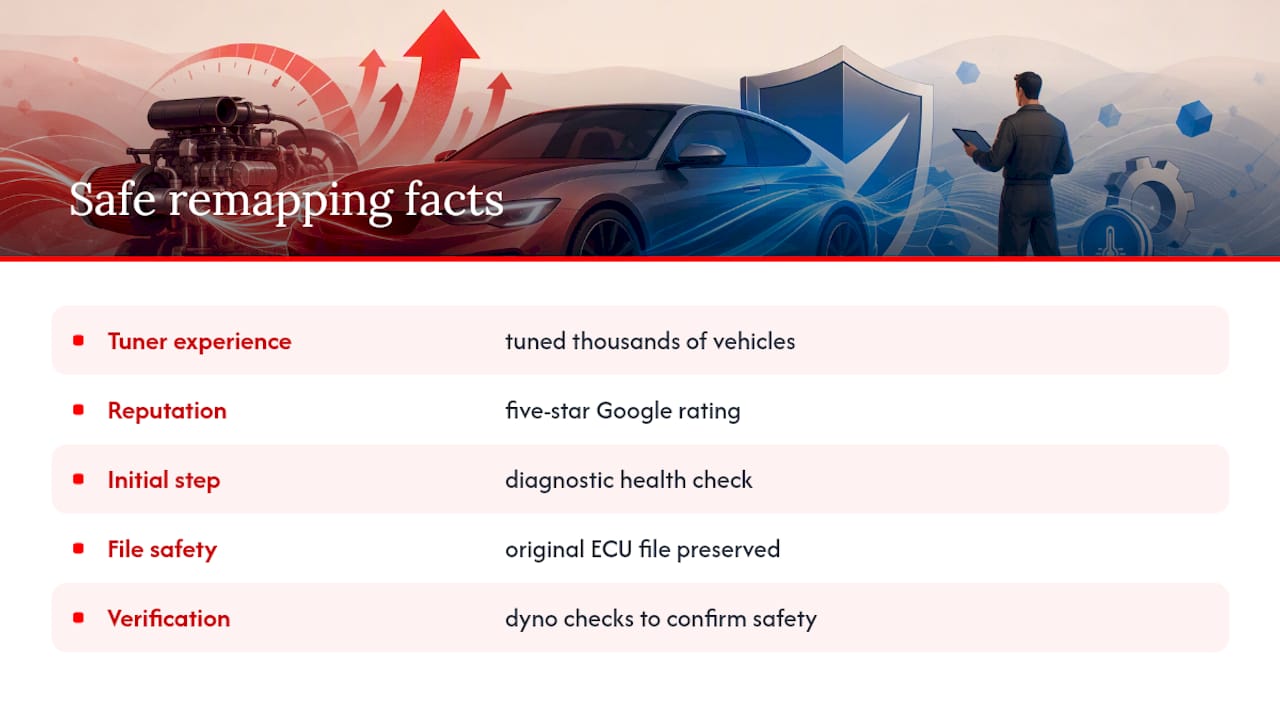
Performancetuningni has tuned thousands of vehicles and holds a five-star Google rating, built on a process that starts with a diagnostic health check and always preserves your original ECU file. Manufacturers detune engines conservatively to cope with varying fuel and maintenance standards worldwide, so restoring genuine headroom safely depends on dyno verification and a tuner who has seen enough engines to know the limits of each one.
When I’d recommend a remap, and when I wouldn’t
Enthusiasts, tow-vehicle owners and fleet drivers chasing better economy tend to gain the most. I’d hold off if your car’s maintenance is patchy or your warranty still matters to you. Get your specific vehicle assessed before deciding either way.
Ready to remap? Here’s how Performance Tuning NI does it properly
If you’ve read this far, you already know the difference between a rushed OBD flash and a proper remap. Performancetuningni offers both workshop and mobile appointments across its range of services, from Stage 1 and custom remapping to engine carbon cleaning, always starting with a health check and a full backup of your original file so nothing is left to chance.
[
Every remap comes with a verification, meaning you leave knowing exactly what your car is now doing, not just what a spec sheet claims it should do. If you’re still weighing up whether a remap suits your specific vehicle, the free remap calculator gives you a realistic estimate in minutes, just enter your registration. From there, booking a slot with Performancetuningni is the natural next step towards a car that finally drives the way it should.
Where this article’s guidance comes from
RAC Drive: practical UK driver guidance on insurance and legality.
Gov: official position on emissions modification law.
Carwow: technical breakdown of the remapping process.
Tuning-Database: practitioner detail on custom versus generic files.
Sources
Recommended