
Van speed limiter removal: what's actually possible
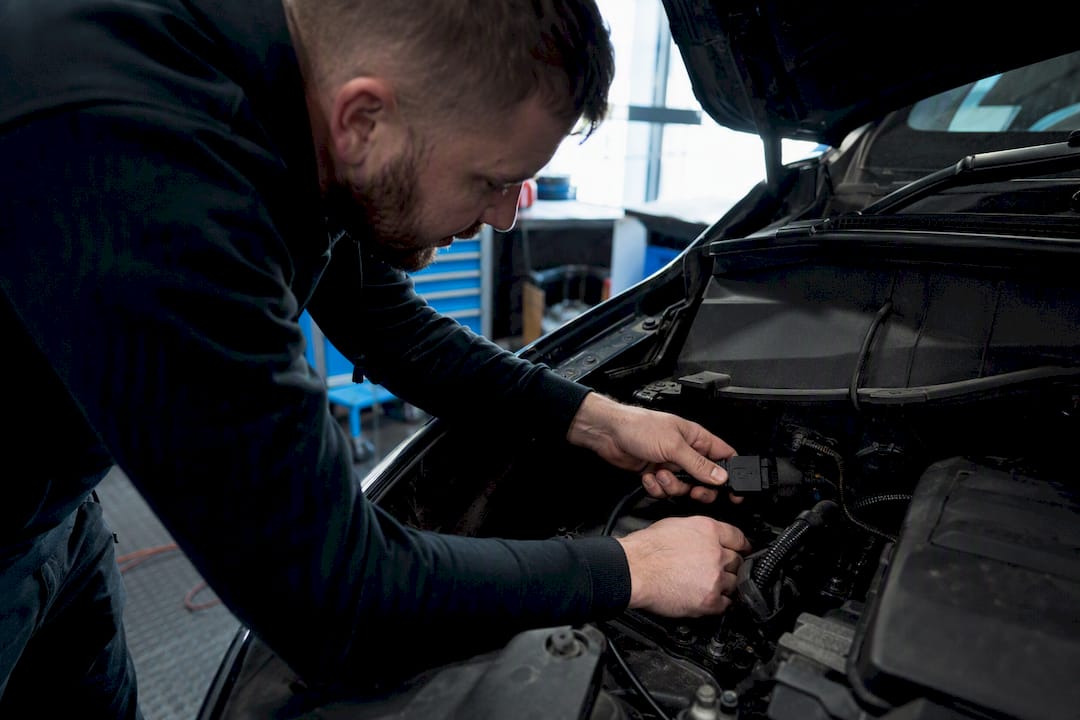
Yes, most factory speed limiters on vans can be removed or adjusted, though the method depends entirely on how your vehicle’s manufacturer implemented the limit. For a Ford Transit, that might mean a straightforward parameter change. For a newer van with fleet telematics bolted on top of the ECU restriction, it’s a two-layer problem. Either way, the sensible first move isn’t Googling forum threads at 11pm. It’s getting a proper diagnostic scan from a specialist who can tell you exactly what’s controlling your speed and what removing it will cost you.
Before you book anything, weigh these trade-offs:
Performance gain: better motorway flow, less frustration keeping pace with traffic.
Warranty risk: any coding change can affect manufacturer cover on the powertrain.
Insurance duty: undeclared modifications can jeopardise a claim.
Legal use: removal itself isn’t illegal, but driving over posted limits always is.
Key Takeaways
Removing a van’s factory speed limiter is usually achievable through professional coding, remapping, or tools like FORScan, but demands proper backups and documentation to protect warranty and insurance standing.
Point | Details |
Limiter location varies | Check whether the limit sits in the ECU, BCM, or a fleet telematics device before choosing a method. |
Backup before changing anything | Insist on a full ECU backup and written record of the original values as standard practice. |
Costs start modestly | Specialist tuners advertise starting prices from around £49.99, rising with van model and method. |
Declare it to your insurer | Speed limiter removal typically counts as a modification you must disclose on your policy. |
Choose a specialist tuner | Performancetuningni offers diagnostic, backup, coding, and post-work verification as a complete service. |
Table of Contents
How van speed limiter removal actually works under the bonnet
A factory speed limiter usually lives in one of three places: the engine control unit (ECU/PCM), the body control module (BCM), or a separate telematics box fitted for fleet management. Which one applies to your van changes everything about how easy the fix is.
On many Ford models, the limit sits in an AS-BUILT data block inside the PCM, a parameter that dictates a governed top speed. Change that value, recalculate the checksum, and the limiter’s gone. Other vans hide the restriction deeper in the software architecture, tied to torque maps or gear ratios, which needs proper remapping rather than a simple code edit. Vans commonly fitted with factory or fleet-imposed limiters include:
Ford Transit and Transit Custom
Mercedes Sprinter
Volkswagen Transporter
Fiat Ducato
Vauxhall/Opel Vivaro
If your van’s limiter comes from a third-party telematics device rather than the ECU itself, no amount of PCM tinkering will touch it. That’s a conversation with your fleet provider, not a tuner.
What are your options for removing a speed limiter?
Three realistic paths exist, and they’re not equally good ideas for every owner.
A specialist tuner handles it properly. The workflow looks like this: diagnostic read to confirm where the limit sits, a full ECU backup taken before anything changes, the code or map amended, then a test drive to verify the fix and check nothing else shifted. Reputable shops, including those advertising on pages like Bluespark Automotive’s limiter removal service, list this as standard practice across a wide range of van makes.
A remap shop bundles it into a wider tune. Many tuners fold limiter removal into a broader engine remapping and ECU tuning package, since they’re already in the software adjusting fuel and boost parameters. This often works out better value than paying for two separate jobs.
You attempt it yourself with a diagnostic tool. FORScan is the tool most owners reach for on Ford vans, and forum threads document real success stories using it to alter the AS-BUILT speed limitation block, including references to specific block identifiers and the checksum recalculation step that has to follow any edit.
Dealers, for what it’s worth, will typically decline outright. Removing a factory limiter isn’t something main dealer software is built to authorise, and doing so voluntarily can create liability questions they’d rather avoid.
Pro Tip: If you’re tempted by the DIY route, don’t skip the ECU backup step. A botched AS-BUILT write without a saved original can leave your van refusing to start, and that’s a far more expensive fix than the limiter job itself.
Does removing a speed limiter affect your warranty or insurance?
It can, and this is where most owners get caught out. Any change to ECU parameters is a modification, whether you paid a specialist or did it yourself with a laptop and FORScan.
Warranty: manufacturers can refuse powertrain claims if they trace a fault back to unauthorised coding, even months later.
Insurance: most policies require you to declare performance modifications, and speed limiter removal generally counts. Ring your insurer before, not after.
Safety checks: insist on brake and tyre inspections alongside the coding work, since higher achievable speeds put more demand on both.
Documentation: get written confirmation of exactly what was changed, including the original values, in case you need to prove the work later.
None of this makes removal a bad decision. It just means doing it properly, with a paper trail, matters more than most owners assume.
How much does speed limiter removal cost and how long does it take?
Pricing varies by van model and method. Specialist tuners advertise starting prices around £49.99 for straightforward jobs, rising depending on the van and whether it’s bundled with a fuller remap. Community estimates on forums tend to echo this, with owners on the Ford Transit forum reporting modest diagnostic fees for simple cases.
Most appointments take under an hour once the diagnostic confirms the limiter’s location, and mobile units can usually complete the job at your home or depot. A proper quote should always itemise:
The diagnostic fee separately from the coding work
Confirmation an ECU backup is included
A test drive after the change
Some form of warranty on the coding itself, not just the parts
What should you ask a tuner before booking?
Not every operator advertising limiter removal is worth your money, and a few pointed questions sort the genuine specialists from the rest.
Will you back up my ECU before making any changes, and can I have a copy?
Do you provide written confirmation of exactly what was altered?
Have you worked on this specific van model before, and can you show evidence of that?
Is there a test drive included to confirm the work, and what happens if something’s wrong afterwards?
Vague answers to any of these are a warning sign. So is a refusal to document the work, or a quote so low it doesn’t cover a proper diagnostic session. Genuine specialists usually distinguish themselves through demonstrable experience, transparent pricing broken down by task, and a visible trail of customer reviews you can actually check.
Pro Tip: Ask specifically whether the limit on your van sits in the ECU or in a separate telematics box. A tuner who answers that instantly, without needing to run diagnostics first, has almost certainly worked on your model before.
Why work with an experienced tuning specialist
Performancetuningni specialises in custom engine remapping, ECU tuning, and speed limiter removal for petrol and diesel vans and cars, alongside related work like AdBlue removal and EGR delete. The team has tuned thousands of vehicles and holds a five-star Google rating, which counts for more than most marketing copy when you’re handing over your ECU to a stranger.
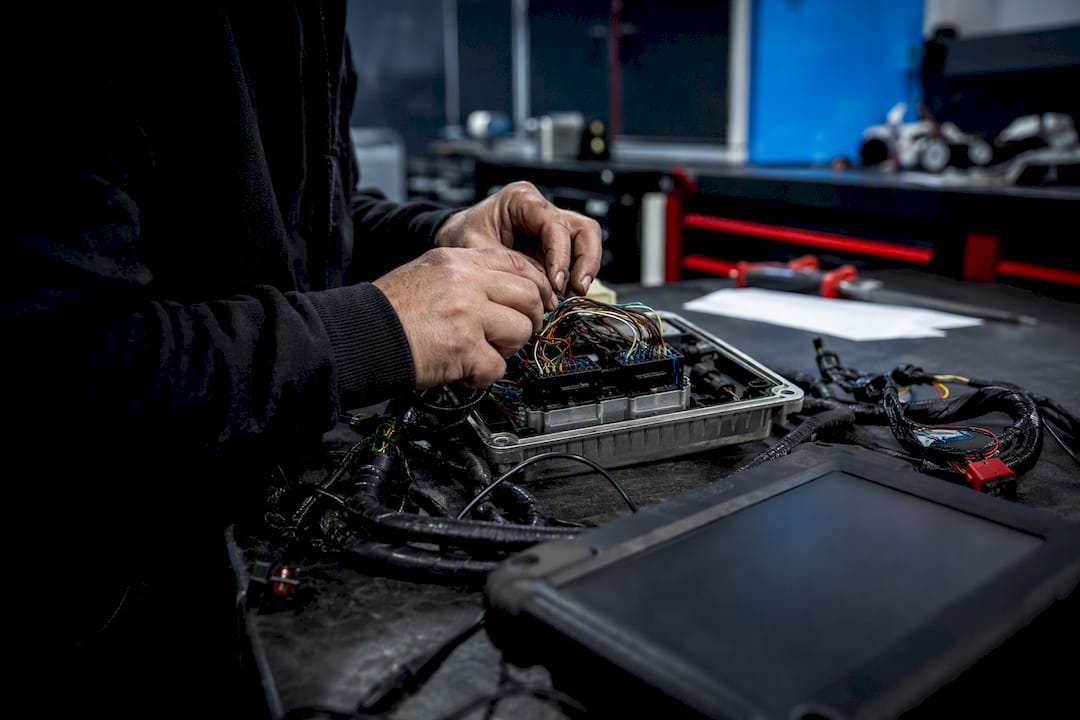
Customers consistently report improved throttle response and smoother power delivery once the work’s done, on top of the limiter itself being lifted where appropriate.
Specialist focus on remapping and limiter work, not a general mechanic doing it as a side job
Thousands of vehicles tuned with a verifiable five-star reputation
Clear, itemised approach to diagnostics, backups, and post-work checks
When is limiter removal actually the right call?
I’d recommend it for vans doing serious motorway mileage, where sitting at a governed speed genuinely disrupts traffic flow and adds hours to a working week. I’d avoid it for vans that rarely leave town, where the risk to warranty and insurance outweighs a benefit you’ll barely use. Sometimes the better fix isn’t removal at all. It’s asking your fleet manager to reconfigure the telematics settings, or simply adjusting routes to avoid the roads where the limit bites hardest.
— Mark
Ready to sort your van’s speed limiter properly?
Performancetuningni is the specialist route through the maze of DIY forum threads and vague dealer answers. Where a FORScan edit leaves you guessing about checksums and a generic garage might not touch ECU coding at all, you get a diagnostic read, a full ECU backup, the coding or remap itself, and a test drive to confirm everything’s working before you drive off.
[
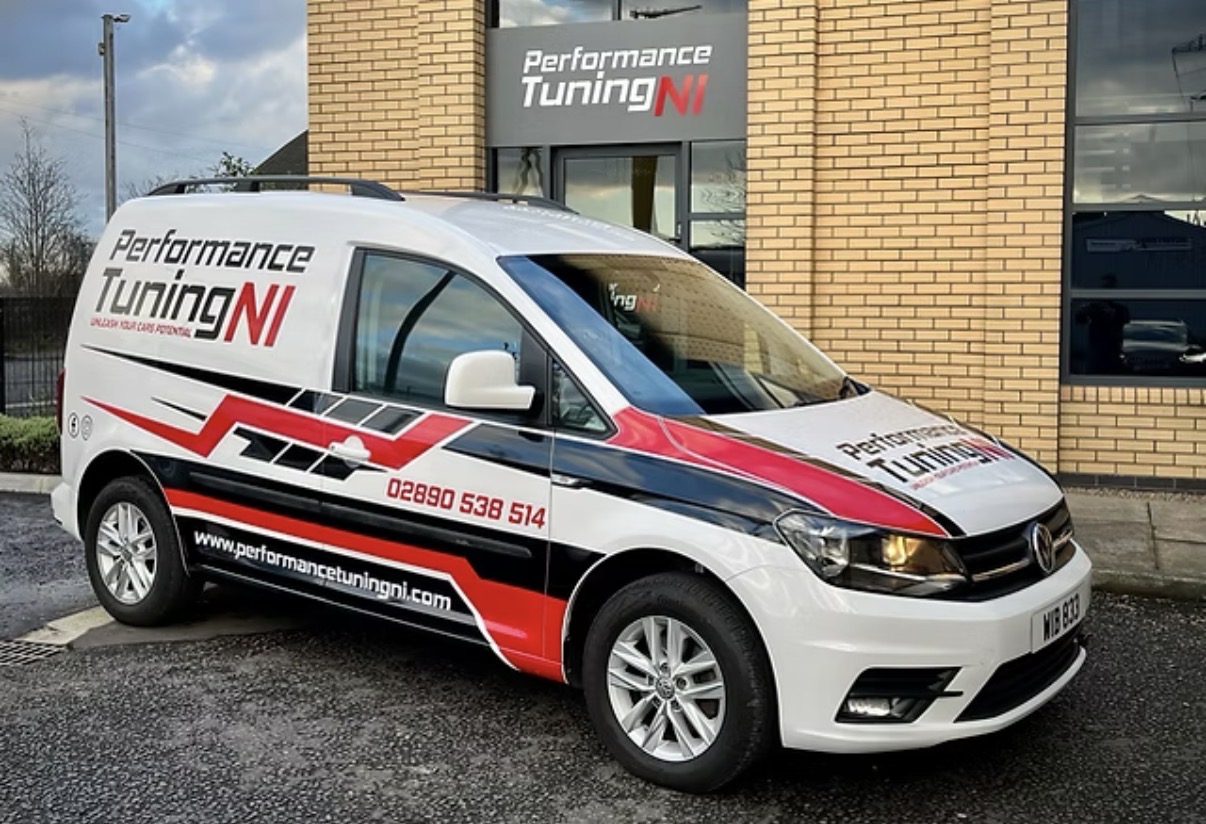
Book through the engine remapping and ECU tuning service page, and you’ll receive written confirmation of exactly what was changed along with warranty cover on the work itself, not just a verbal assurance. If you want a price signal before you commit to anything, run your registration through the free remap calculator first. Many customers pair limiter removal with a fuller remap for extra power and better fuel economy, or add on engine carbon cleaning while the van’s already booked in. Get in touch to arrange a diagnostic session and find out exactly what’s controlling your van’s top speed.
Sources
Recommended