
Drive Sharper Every Day: How a Remap Transforms Your Car

A correctly executed Stage 1 remap makes a car feel noticeably sharper on the road, mainly by improving mid-range torque and throttle response rather than headline horsepower. Diesel and high-mileage drivers often see fuel economy gains too. None of that holds, though, if the tuner is poor or you skip the warranty and insurance checks first.
TL;DR:
Diesel and turbocharged petrol engines benefit most from remaps that enhance mid-range torque and throttle response, especially at partial throttle inputs.
A professional remap typically costs between £200 and £500, with custom maps built around specific vehicle details to avoid long-term issues.
Reputable tuners provide a clear rollback policy, share before-and-after data, and confirm the map is built specifically for your engine’s mileage and fuel type.
Poor-quality remaps can cause knocking or turbo strain, and most manufacturers void warranties if ECU modifications are detected without proper rollback options.
Remapping is more about improving how the engine responds in everyday driving than increasing peak horsepower figures.
Table of Contents
How a remap will transform your car: the ECU parameters that actually change
Every petrol or diesel engine ships with a conservative ECU map. Manufacturers have to build in margin for poor fuel quality, hot climates, high altitude and the least well-maintained car on the production line, so most engines run with real performance left on the table. Remapping adjusts the software parameters governing fuel injection, ignition timing and turbo boost pressure, unlocking that unused headroom rather than pushing the engine past its design limits.
The main levers a tuner works with include:
Fuel injection timing and quantity, which controls how much and when fuel enters each cylinder
Ignition timing, adjusted to extract more torque from each combustion cycle without triggering knock
Boost pressure, on turbocharged engines, allowing more air into the cylinder for a given throttle input
Throttle mapping, which changes how the ECU translates pedal position into actual engine response
Turbocharged and diesel engines respond best because boost pressure gives the tuner a genuinely powerful adjustment point. Naturally aspirated petrol engines have far less slack to exploit. The result you feel is not a bigger number on a dyno printout. It is a car that pulls cleaner through the mid-range and answers the throttle without the flat spot you’d previously worked around.
How is a car remap actually carried out?
A remap is a software job, not a mechanical one, and reputable tuners follow a consistent sequence.
The tuner connects to the ECU through the OBD port and reads out the factory map, saving a copy of the original file.
That stock map is analysed and a custom map is built around the vehicle’s specification, mileage and stated fuel type.
The new map is flashed back through the same OBD connection, usually taking under an hour for a straightforward Stage 1 job.
The car is road tested, checking for smooth idle, clean acceleration and no warning lights before handover.
Stage 1 works within the standard hardware: turbo, injectors, exhaust. Stage 2 goes further and usually requires supporting hardware upgrades, like a bigger intercooler or upgraded turbo, because the standard components become the limiting factor. Because the original file is retained, a remap is generally reversible by reflashing the stock map through the same port. That matters for warranty claims, resale, or simply if you change your mind.
What will you actually notice driving day to day?
Forget peak BHP for a moment. The transformation you’ll feel happens at part-throttle, not flat-out.
The gains that matter most happen at 60 to 70% pedal input, not wide open throttle. That partial-throttle response is what makes overtaking, joining a motorway, or pulling a caravan feel effortless instead of laboured, because it’s where you spend most of your driving time.
Fewer gear changes on a hill, less kickdown hunting on the motorway, a throttle pedal that responds the instant you press it rather than a beat later. That’s the practical shape of a good remap.
Typical gains vary a lot by engine type:
Turbocharged petrol engines commonly see meaningful double-digit percentage gains in power and torque
Diesel engines, thanks to how much headroom is built into factory tuning, often show the largest torque improvements of any engine type
Naturally aspirated petrol engines see smaller, more modest gains, since there’s no boost pressure to work with
For high-mileage drivers and diesel van operators, an economy-focused map can be worth pursuing purely on running costs. Cover enough miles annually and the fuel savings from smoother, more efficient combustion can offset the remap’s cost within a matter of months, particularly for fleet or commercial diesel use.
What are the downsides, and what should you check first?
A remap isn’t risk-free, and the reputable end of the trade will tell you that upfront rather than let you find out the hard way.
Warranty: most manufacturers will refuse warranty claims on the powertrain if they can trace a fault back to a modified ECU map, so it’s worth asking your tuner whether they offer a rollback service before any dealer visit.
Insurance: a remap is a modification, and not declaring it to your insurer can invalidate a claim entirely, even for an unrelated incident.
Emissions and legality: altering how an engine manages fuel and emissions carries real legal and environmental obligations, and UK government guidance is explicit that your vehicle must remain compliant after any modification.
Mechanical wear: a poorly built or generic map can cause knocking, uneven fuelling or turbo strain, which is a tuner quality problem far more than an inherent flaw of remapping itself.
If your car is still within its manufacturer warranty period and you’re not prepared to have that conversation with the dealer, hold off. Read more on whether remapping affects reliability before booking anything.
What does a Stage 1 remap cost, and what changes the price?
Budget somewhere in the region of £200 to £500 for a standard Stage 1 remap in the UK, with the exact figure depending on your engine, its complexity, and the tuner’s own pricing structure.
What moves that price up or down is rarely just brand snobbery. A common four-cylinder diesel with a well-established file library is cheaper to map than a rare or unusually specified engine that needs a custom build from scratch. That’s the real distinction worth paying attention to: a generic, off-the-shelf file is not the same product as a custom map built around your actual mileage, service history and fuel type, and the difference shows up in how the car drives, not just in the invoice. Cheaper generic maps can end up costing more in the long run if they’re poorly matched to your engine.
How do you pick a tuner you can actually trust?
Choosing well matters more than almost anything else in this decision, because the map is only as good as the person who wrote it.
Ask to see before-and-after data. A reputable tuner should be able to show dyno logs or datalogging from previous jobs on a similar engine, not just promise a number.
Check their experience with your specific engine. Tuning a common diesel and tuning a rare performance petrol are different skill sets.
Get the rollback policy in writing. Confirm they retain your original stock file and can restore it if needed for a warranty claim or resale.
Ask what fuel spec the map assumes. A map tuned for 99 RON fuel will underperform, or worse, on lower-grade petrol.
Ask about post-remap support. Does anyone check in after a few hundred miles, and is there a number to call if something feels off?
Red flags include a tuner who won’t discuss rollback, can’t answer questions about your specific engine confidently, or offers a price that seems too low for a custom build.
Pro Tip: Ask your tuner directly whether the map was built specifically for your car’s mileage and service history, or pulled from a generic file library. The answer tells you almost everything about the quality you’re about to pay for.
Real-world evidence: what Performancetuningni customers actually report
Performancetuningni specialises in custom remapping, ECU tuning, AdBlue removal, EGR delete, DPF delete, speed limiter removal and carbon cleaning across petrol and diesel vehicles, offered both at a fixed workshop and as a mobile service. Customers consistently report sharper throttle response and smoother power delivery rather than a jarring change, which lines up with what the mid-range torque data above predicts. The company has tuned thousands of vehicles and holds a five-star Google rating.
Carbon cleaning is often booked alongside a remap, since a cleaner engine responds more predictably to a new map. Read more on what remapping actually delivers for further detail on typical customer outcomes.
Is a remap worth it, and what should you do next?
A remap is worth it if your car is out of warranty, or you’re comfortable managing that risk, and you’re using a tuner who builds custom maps and keeps your original file. It’s a weaker bet on a new lease car or if you’re chasing bragging rights over daily drivability.
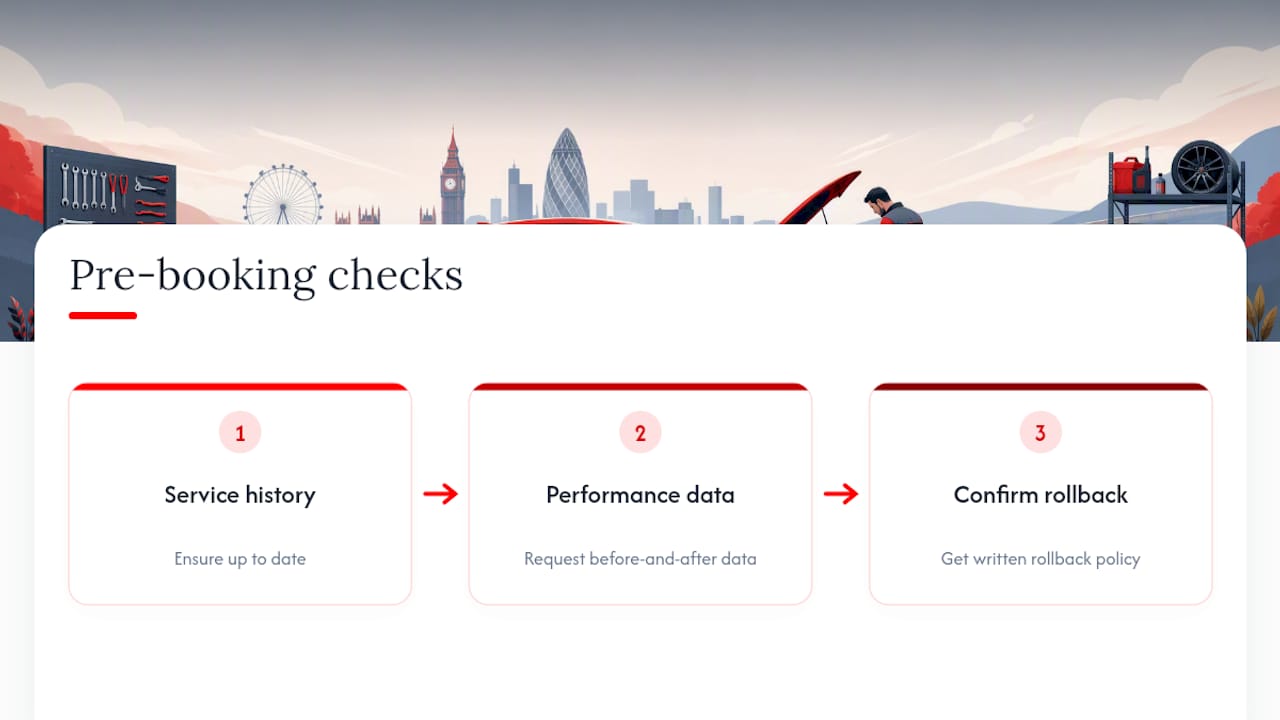
Before booking: check your service history is up to date, ask any prospective tuner for before-and-after data, and confirm their rollback policy in writing.
Why the “bigger numbers” obsession misses the point
Most remap conversations online fixate on peak horsepower, and that’s the wrong lens entirely.
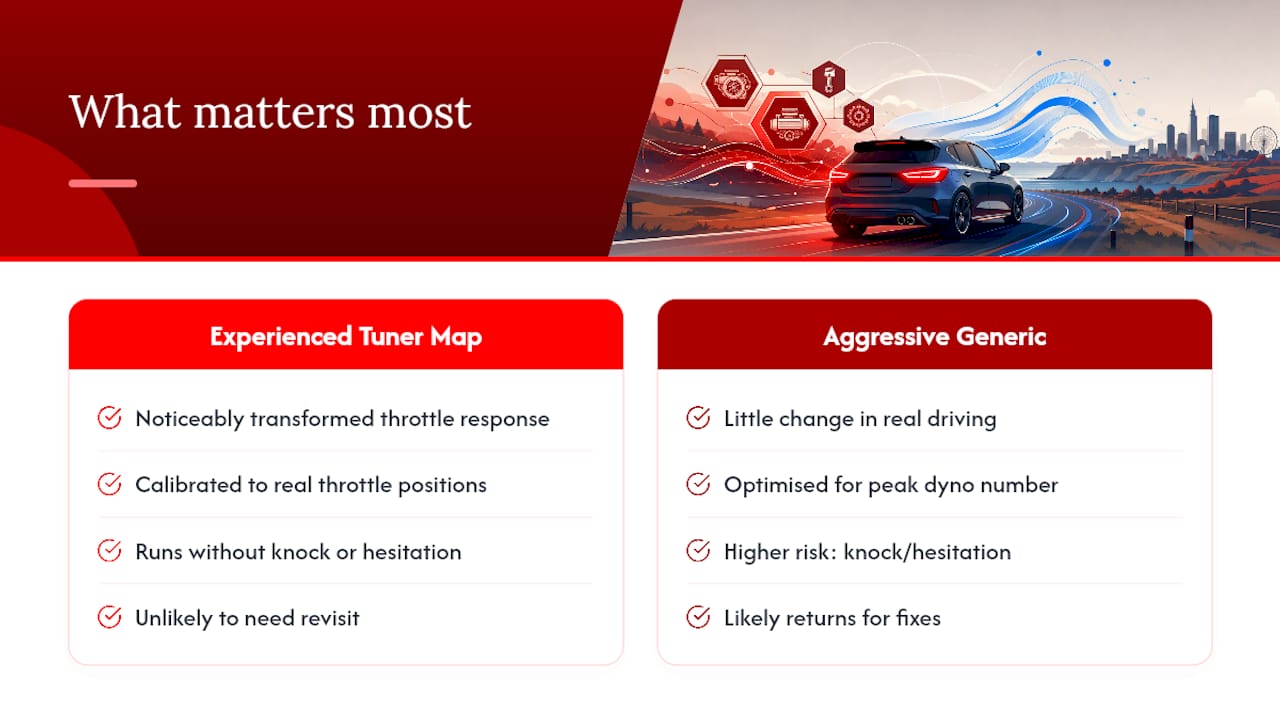
Conventional advice treats remapping like a horsepower shopping list. It isn’t. It’s closer to recalibrating how the engine talks to your right foot. That’s why two cars with identical peak gains on paper can feel completely different to drive, one transformed, one barely changed, depending entirely on how the map was built around real-world throttle positions rather than a dyno chart.
If you take one thing from this, prioritise the tuner’s experience with your specific engine over the number they promise you. A modest, well-built Stage 1 map from someone who understands your engine will beat an aggressive generic file every time, and it will do it without the knock, the hesitation, or the trip back to the workshop.
— Mark
Ready to feel the difference? Book a remap with Performancetuningni
Performancetuningni is the practical route to everything this article has covered: a custom-built Stage 1 map, not a generic file pulled off a shelf, backed by a tuner who retains your original ECU file and can talk you through rollback before you book. Whether your priority is sharper throttle response for daily driving or better fuel economy on a high-mileage diesel, the approach stays the same: a map built around your actual engine, not a one-size-fits-all download.
[
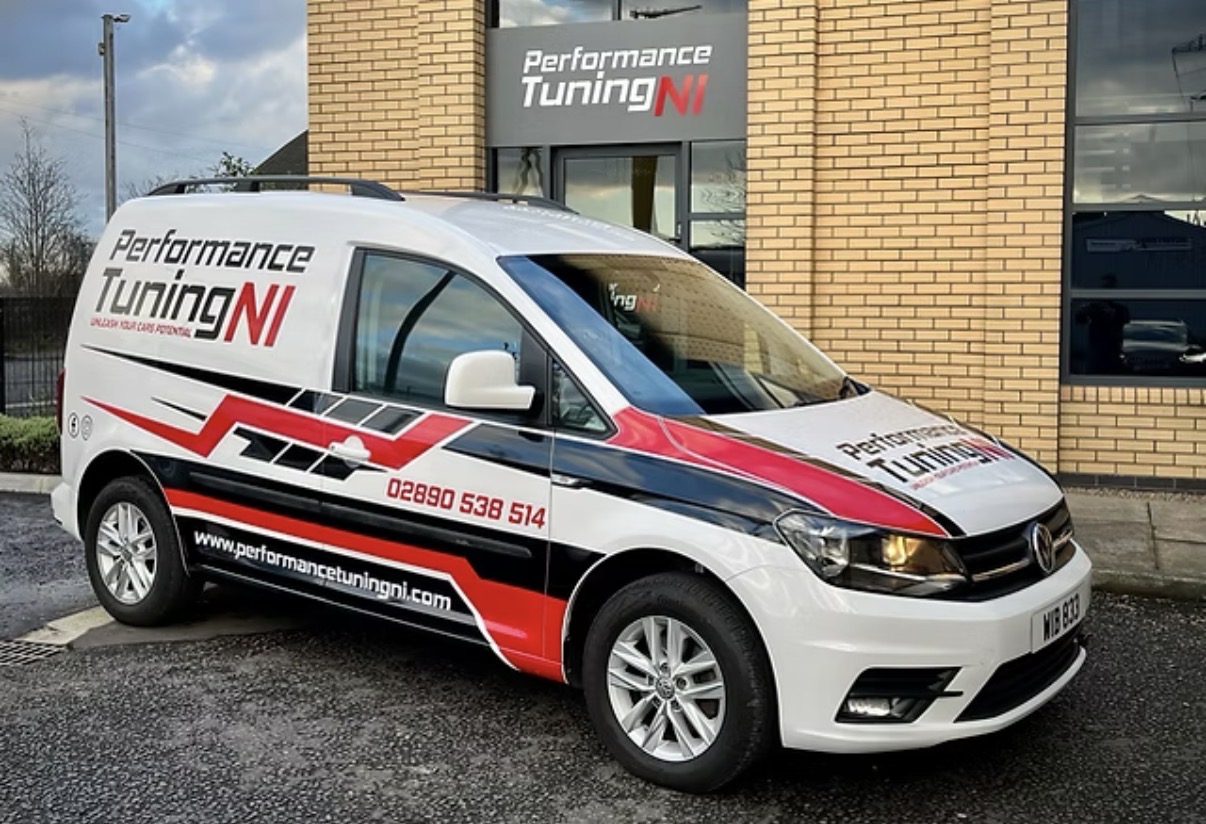
The service covers custom remapping, EGR and DPF work, AdBlue removal, speed limiter removal and carbon cleaning, with both workshop and mobile appointments available. If you’re weighing up whether the numbers stack up for your car, run your registration through the free remap calculator to get a realistic estimate, or head straight to the remapping service page to book a slot and ask about pairing it with a carbon clean for the smoothest possible result.
Sources
Recommended