
20,000 Mile Commuters: When a Car Remap Actually Pays
- 3 days ago
- 7 min read

Remapping suits high-mileage commuters chasing better MPG, owners of turbocharged petrol or diesel engines with conservative factory tuning, drivers who’ve already fitted supporting hardware, and fleet operators where small savings multiply across several vehicles. It rarely suits novice drivers, cars with unresolved faults, or anyone unwilling to accept warranty and insurance implications. The detail on both groups, and how to judge your own case, follows below.
TL;DR:
Most remaps target turbocharged engines with conservative factory tuning and are most cost-effective for high-mileage drivers and fleet operators.
Accurate diagnostics, verified dyno results, and a clear reflash policy are crucial when choosing a remap provider to ensure reliable and safe gains.
Gains in performance and fuel economy depend heavily on engine type, with the best results in engines with genuine untapped headroom, not on universally promised figures.
Professional remapping involves a diagnostic scan, software reading and tuning, dyno testing, and documentation, unlike quick mobile flashes that lack verification.
Remapping can affect warranty, insurance, and emissions compliance, so disclosure and proper testing are essential to avoid disputes or legal issues.
Table of Contents
What is car remapping and what does it change?
Remapping, also known as ECU tuning, alters the software inside your engine control unit rather than any physical part. The ECU governs how much fuel gets injected, how far the ignition spark is advanced, and how much boost a turbo generates. A remap adjusts those parameters within safer limits than the factory ships with.
Most manufacturers deliberately under-tune engines from the factory. A single engine block often powers several trim levels, and the software gets dialled back to protect the least robust variant, meet emissions targets in multiple markets, or leave headroom for hot climates and poor fuel quality. That leaves genuine performance sitting unused in millions of otherwise identical engines.
A remap alone has limits, though. If you want power gains beyond what the standard turbo, injectors, or intercooler can support, hardware upgrades come first, and the map gets built around them. Typical parameters touched during a remap include:
Boost pressure (turbocharged engines only)
Fuel delivery and injection timing
Ignition advance
Torque limiters and rev limits
Throttle response mapping
How does a professional remap actually work?
A reputable remap follows a set order, not a quick laptop session in a car park.
Diagnostic scan first. The tuner checks for existing fault codes and resolves them before touching the map. Tuning over an unresolved fault, such as a sticking EGR valve or a marginal sensor, can mask problems and risks damage. This principle is echoed in RAC guidance on remapping, which flags fault resolution as a prerequisite step.
Read the factory map. The tuner connects via the OBD port, or occasionally works from the ECU bench, and pulls the original software file.
Build the new map. Software adjusts fuelling, boost, and timing, either from a proven base file or tailored on a rolling road.
Dyno tuning vs file flash. Dyno-based tuning verifies real power and torque gains under load; a straightforward file flash uploads a pre-built map without that verification.
Upload, road-test, document. The new map goes on, the car gets driven, and a credible tuner hands over before-and-after figures.
Pro Tip: Mobile remaps are convenient, but they usually trade away dyno verification. If precise gains matter to you, ask whether a dyno session is available rather than accepting figures on trust.
Who should get their car remapped?
Some owners see a clear return; others are better off leaving the ECU alone.
Long-distance commuters and high-mileage drivers. A few percentage points of extra efficiency sound modest until you’re covering 20,000 miles a year. That’s when marginal MPG gains actually compound into real fuel savings.
Turbocharged engine owners with conservative factory tuning. Many small-capacity turbo petrols and modern diesels have noticeably more torque sitting untapped in the ECU, particularly in the low and mid-range where daily driving happens.
Owners who’ve already fitted hardware upgrades. A new intercooler, exhaust, or intake needs a matching map to actually deliver anything. Upgraded intake or drivetrain hardware, like the Haldex pump upgrades covered by specialists on AWD platforms, is a good example of hardware that needs software behind it.
Fleet operators. A modest per-vehicle economy improvement, multiplied across a dozen vans doing motorway miles daily, adds up fast on the annual fuel bill.
Who should hold off: novice or newly licensed drivers, any car with an unresolved mechanical fault, and owners still under manufacturer warranty who can’t stomach the risk of it being challenged.
Weighing the gains against the risks
Performance and economy gains from remapping are real, but they vary by engine, and no reputable tuner should promise identical results across every vehicle. Diesel engines in particular often see meaningful torque increases alongside better economy, while some petrol engines gain more on the power side. Treat any figure you’re quoted as an estimate specific to your car, not a universal guarantee.
The trade-offs sit mostly outside the engine bay:
Component stress. More torque puts more load through the clutch, driveshafts, and cooling system. Older clutches in particular can start slipping after a torquier remap.
Insurance. Money is clear that a remap must be disclosed to your insurer, since it can affect premiums and, if undeclared, jeopardise a claim entirely.
Warranty. Manufacturers can treat a remap as a modification and use it to challenge related claims, though this depends heavily on individual dealer policy and whether the map is reversible.
MOT. A remap alone typically won’t cause an MOT failure, but any change that pushes emissions output outside legal limits could.
Undisclosed modifications are a recurring theme in disputes handled by the Financial Ombudsman Service, which is reason enough to tell your insurer before, not after, you book a remap.
What does a remap cost, and is it worth the money?
Prices split roughly into three tiers. Off-the-shelf Stage 1 remaps sit at the lower end, custom dyno-proven remaps cost more but come with verified figures, and mobile flash pricing tends to fall somewhere between, according to Motor Heads’ cost breakdown.

Working out payback for an economy remap is simple arithmetic: take your annual mileage, your current MPG, your fuel price, and estimate the improved MPG a tuner quotes for your specific engine. The fuel saved per year, divided into the remap cost, gives you a rough payback period. Performancetuningni’s economy remap guide walks through realistic MPG expectations by engine type, which is a useful reference before you run your own numbers.

Bespoke, dyno-backed remaps earn their premium on performance cars or complex platforms, where getting the fuelling wrong has bigger consequences. Whatever you choose, insist on written figures, a stated guarantee, and a clear reflash policy before paying anything.
How do you find a remap provider you can trust?
Vetting a tuner properly takes minutes and saves headaches later.
Confirm a pre-remap diagnostic scan is standard, not optional.
Ask whether dyno before-and-after figures are available or only estimated.
Get the performance spec and any guarantee in writing.
Check they can revert the car to its original factory map if something’s wrong.
Look for a genuine review footprint and any relevant accreditation.
Pro Tip: Ask to see an actual dyno sheet from a similar car, not just a marketing graph. A tuner with nothing to show after “thousands” of remaps is a red flag worth walking away from.
How does Performancetuningni judge remap suitability?
Mark has spent years working through remap cases across Northern Ireland, and the pattern repeats: the best results come from turbocharged engines with genuine headroom, and the worst outcomes trace back to skipped diagnostics. Performancetuningni has tuned thousands of cars, holds a five-star Google rating, and uses dyno testing on every custom remap. Before recommending a remap, the checklist is always the same: scan first, confirm mechanical health, then discuss realistic figures.

What the data on remapping actually tells you
Conventional advice tends to treat remapping as a blanket upgrade, as if every turbo engine hides the same untapped power. It doesn’t work that way. The engines with the most conservative factory tuning, common in small-capacity turbo petrols and modern diesels built to satisfy multiple emissions markets, are the ones with genuine headroom. A naturally aspirated engine tuned close to its mechanical limit from the factory has far less to give, whatever a quick online search might suggest.
The bit most guides skim past is verification. Anyone can quote you a power figure. Fewer tuners can show you a dyno sheet proving it. That distinction should matter more to buyers than it currently does, because it’s the only real evidence separating a professional remap from a laptop flash with optimistic marketing behind it.
If there’s one thing worth prioritising above all else, it’s sequencing: diagnostics before tuning, disclosure before driving away, and a written guarantee before payment. Skip any of those three and you’re relying on luck rather than judgement.
— Mark
Ready to check what your car could gain?
If your engine fits the profile above, whether that’s a turbocharged commuter racking up motorway miles or a car that’s already had supporting hardware fitted, Performancetuningni is set up to give you a straight answer rather than a generic quote. Every remap starts with a proper diagnostic check, runs on modern tuning tools, and comes with dyno-backed figures rather than a promised number pulled from a spreadsheet.
[
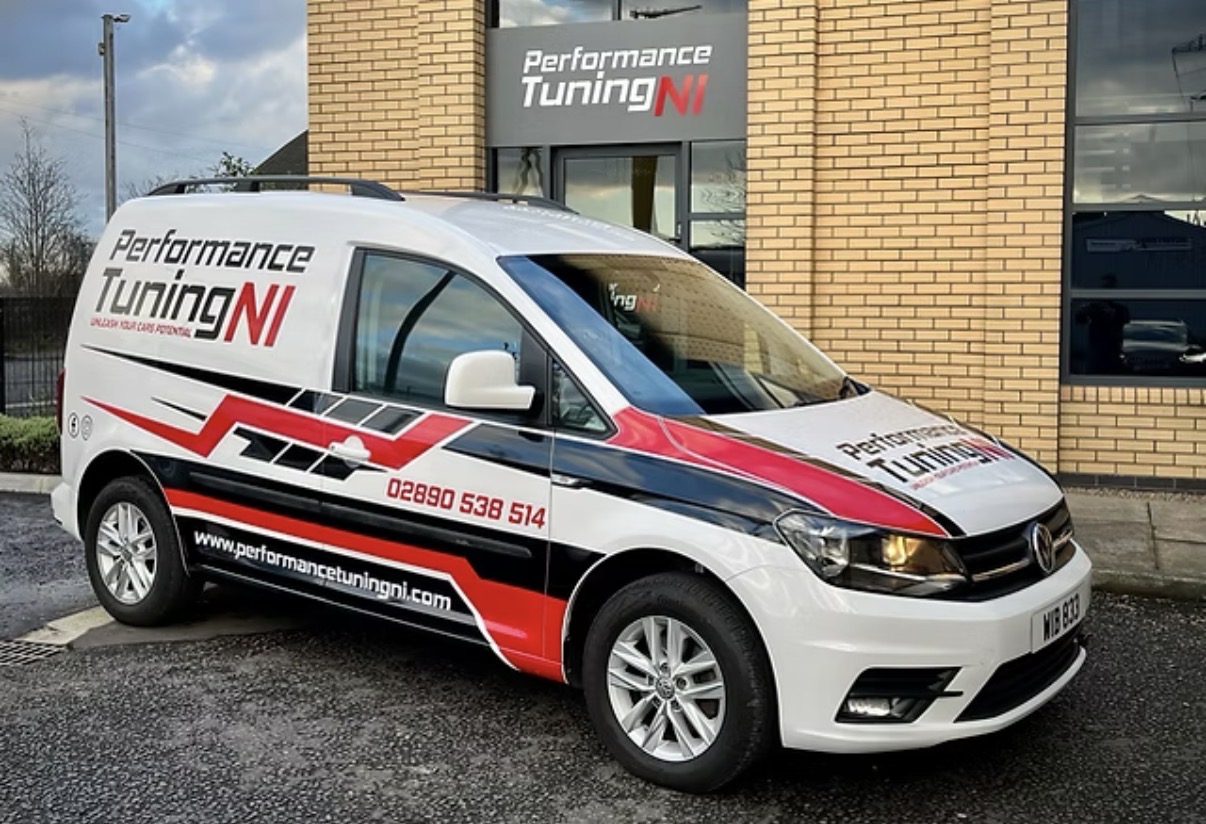
Before booking, have your registration and mileage to hand, note any warning lights or existing issues, and be ready to discuss whether you’re chasing economy, power, or both. The fastest way to see what’s realistic for your specific engine is the free remap calculator, which gives you an estimate before you commit to anything. When you’re ready to go further, the full engine remapping service covers workshop and mobile appointments, with carbon cleaning available as a complementary option if your engine’s been under stress for a while.
Sources
For the mechanics of how a remap is carried out, see Carwow’s explainer. For insurance and disclosure duties, money.co.uk’s guide is the clearest reference. For cost benchmarks, Motor Heads’ pricing breakdown is worth bookmarking before you get quotes.
Recommended