
Fleet Managers in Northern Ireland: Do This Before Removing a Van Speed Limiter
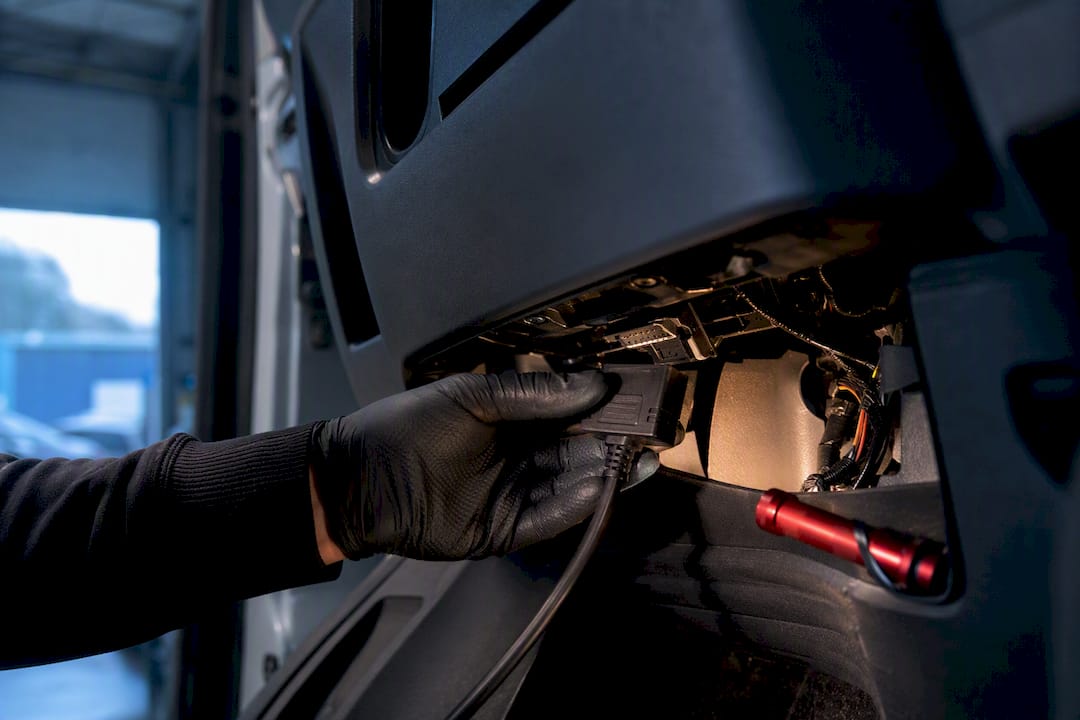
Most vans under 3.5 tonnes in Northern Ireland are not legally required to carry a speed limiter, so altering or removing one is usually a matter of choice rather than compliance. Before booking any work, check your vehicle’s category against regulation 36B, tell your insurer what you’re planning, and use a qualified local installer such as Performance Tuning NI who can document the change properly.
TL;DR:
Most vans under 3.5 tonnes in Northern Ireland are not legally required to have a speed limiter, making removal or adjustment mostly a matter of preference.
Removing a mandatory limiter without insurer approval is a legal offense and can void your insurance, while adjusting a voluntary limiter is generally lawful if properly documented.
Speed limiter removal involves resetting the engine control unit’s software to set an unreachable top speed, without affecting power or torque curves.
Proper documentation, including ECU backup and calibration logs, is crucial to protect against insurance disputes and for possible future reversion.
Professional and documented limiter work ensures compliance and safety, typically taking under an hour for a simple switch-map job on most ECUs.
Table of Contents
What does Northern Ireland law actually say about van speed limiters?
The rule that governs mandatory speed limiters across the UK, including Northern Ireland, is regulation 36B, part of the 1986 Road Vehicles (Construction and Use) Regulations. It sets out calibration requirements for vehicles that must carry a limiter, including clauses specifying stabilised speeds of 90 km/h for some classes and calibration limits around 60 mph for others, plus exemptions for vehicles being driven to or from authorised recalibration work.
What the regulation does not do is apply the same restriction to every van on the road. Fitment is mandatory mainly for heavier goods vehicles and passenger-carrying vehicles above defined weight thresholds. Many vans and light commercials under 3.5 tonnes fall outside that mandatory bracket entirely, which means any limiter fitted to them is often a voluntary device chosen by the manufacturer or by a previous fleet operator, not a legal fixture.
That distinction matters because the consequences differ sharply depending on which category your van sits in.
Mandatory limiter, tampered with: this is a compliance offence, can trigger DVSA enforcement action, and typically invalidates insurance outright.
Voluntary limiter, adjusted with insurer knowledge: generally lawful, provided the vehicle still meets its other roadworthiness requirements.
Voluntary limiter, adjusted without telling anyone: not usually a criminal matter, but it can still cause an insurance dispute if an accident investigation later reveals the change.
Guidance aimed at UK fleets confirms that removing a mandatory limiter is an offence and can void insurance, while a voluntarily fitted device can be adjusted at the operator’s discretion. If you are not certain which category your van falls into, that is the first phone call to make, not the last.
How does a professional actually remove a van’s speed cap?
Speed limiter removal is a software change inside the engine control unit, not a mechanical modification. Every ECU carries what’s often called a VMAX or VMAP map, a small table that tells the engine to cut fuel or torque once the vehicle reaches a set speed. Rather than deleting that map structure, most tuners simply reset the value to a speed the van will never realistically reach, which is why the industry calls it “effectively removed” rather than “deleted”.
This is a distinct job from a Stage 1 performance remap, even though both involve flashing the same ECU:
Speed limiter removal changes only the ceiling, the top speed the vehicle is allowed to reach; it does not touch fuelling, boost, or torque curves.
A performance remap changes power and torque delivery across the rev range, and can be done with or without touching the speed cap at all.
Combining both is common, but one does not automatically include the other, so be specific with your installer about which outcome you’re paying for.
Common factory caps on vans sit around typical legal calibration speeds specified in regulation 36B, such as approximately 60 mph or 90 km/h. On some ECU families, notably Bosch MG1 and MEVD17X units, the job is almost mechanical for the tuner: flip a limiter switch map, then set a single “maximum speed” value. Other platforms need bespoke file work, particularly older vans or those with locked or encrypted ECU software.
Pro Tip: Ask your installer which method they’re using before you book. A straightforward switch-map job usually takes less time on the ramp than a bespoke file rebuild, and knowing which one applies to your van avoids a surprise on price or turnaround.
What are the insurance and fleet risks of removing a limiter?
The biggest practical risk isn’t legal, it’s contractual. If your policy was underwritten on the basis that a limiter was fitted and working, removing it without telling your insurer can give them grounds to reduce or refuse a claim, even on a voluntarily fitted device. This is separate from whether the limiter was ever a legal requirement in the first place.
Manufacturer warranty is the second casualty. Any ECU flash on a van still under warranty risks a dealer refusing cover for a related fault, and while an MOT test doesn’t specifically check for limiter status, visible signs of ECU tampering, such as fault codes or altered wiring, can prompt closer inspection. If you’re already weighing electrical changes to a van, it’s worth reading how CAN bus immobiliser fitment affects MOT outcomes, since the same logic around undocumented electrical work applies.
There’s also a genuine operational trade-off fleets underestimate. Many operators keep limiters fitted voluntarily because they measurably reduce accident severity and cut fuel consumption across a fleet, and removing them shifts that balance the other way. For a single van owner the calculation is different, but for a fleet manager running a dozen vehicles, the fuel and risk maths deserves its own conversation before you sign off on the work.
Sensible controls for fleets considering this:
Update the driver handbook or vehicle policy to reflect the new top speed.
Run a telematics check for a set period after the work to confirm actual road behaviour.
Book a roadworthiness check straight after the flash, not weeks later.
What should you check before booking a limiter removal?
Work through this sequence before any van goes near a ramp:
Confirm the vehicle’s class using the VIN. This tells you whether a limiter is mandatory for that specific van, not just “vans in general”.
Check regulation 36B against your vehicle category, or ask your installer to confirm it for you in writing.
Notify your insurer or fleet compliance officer and get written acknowledgement, even for a voluntary device.
Ask the installer for their process: how they back up the original ECU file, what flashing tool they use, and what their rollback policy looks like if something needs reverting.
Get written confirmation of exactly what was changed, not a vague invoice line reading “ECU work”.
Ask about MOT and warranty implications specific to your van’s make and mileage.
Request the calibration and test log from the post-work check, not just a verbal “all done”.
A reputable installer should hand you three things at the end: the original ECU backup file, a calibration report showing what was altered, and an invoice that names the change specifically, for example “speed limiter adjustment” rather than “ECU service”. That paperwork is what protects you if an insurer or a fleet auditor ever asks questions later.
Pro Tip: Keep the ECU backup file somewhere outside the garage’s own system, on a USB drive or emailed to yourself. If you ever sell the van or switch tuners, that original file is the fastest way to prove what was changed and when.
Most bookings run to a similar shape on the day: expect the technician to connect diagnostic equipment, confirm the current map, make the change, then take the van for a short test drive with data logging running to confirm the new limiter behaviour matches what was agreed. For a straightforward switch-map job this can take under an hour; bespoke file work on an older or locked ECU can run longer.

Why local, documented limiter work matters more than the price
A specialist ECU remapping and speed limiter removal service is available for petrol and diesel vans in Northern Ireland, offering mobile and onsite appointments to minimize downtime for fleets. The team has tuned thousands of vehicles and carries a five-star Google rating, which is a reasonable proxy for how consistently a shop delivers what it promises rather than a guarantee in itself.
What matters more for the checklist above is process. A van speed limiter removal done properly involves an ECU backup before any change, a calibration test afterwards, and documentation that states plainly what was altered, exactly the paperwork an insurer or fleet auditor would ask for. Customers commonly report smoother power delivery and sharper throttle response once a remap is added alongside limiter work, though that’s a separate outcome from the speed change itself and worth discussing upfront so you know exactly what you’re paying for.
Where to check the legal and technical detail yourself
Read the primary regulation at legislation.gov.uk’s regulation 36B text for the exact calibration wording, and Performance Tuning NI’s own page on speed limiter removal and Northern Ireland law for a site-specific legal summary. For the technical side, the VMAX map explainer covers how the software change works in practice.
The gap between “technically legal” and “actually sensible”
Here’s what most guides on this topic skip past: the law answering “can I do this?” and your own operation answering “should I do this?” are two entirely different questions, and conflating them is where van owners get into trouble. Regulation 36B is fairly narrow in scope, it governs mandatory fitment for specific vehicle classes, and for a huge share of light commercial vans it simply doesn’t apply. That’s the easy part.
The harder part is that insurers and fleet economics don’t care what the regulation says if you didn’t tell them what you changed. I’d argue the paperwork matters more than the modification itself. A van with its limiter removed and full documentation, backup files, a calibration log, an insurer who knows, is in a completely different risk position from an identical van where the owner just booked a cheap flash and said nothing to anyone. Same modification, wildly different exposure.
The other thing worth saying plainly: removing a limiter and remapping for power are not the same purchase, and plenty of installers blur that line because it sounds like one job. If your reason for wanting the cap gone is motorway overtaking confidence rather than raw top speed, ask whether a limiter adjustment alone solves it before you pay for a full performance package you didn’t actually need.
— Mark
Book professional speed limiter removal with Performance Tuning NI
This service offers a documented, local alternative to DIY flash tools or unverified online tuning files, ensuring ECU backup and calibration records are retained if anything goes wrong later. For Northern Ireland van owners and fleet managers, appointments include ECU backup, written records of changes, and calibration tests before completion of work.
[
If your interest started with limiter removal, it’s worth asking about a combined visit. Vans booked in for ECU remapping in Belfast can often have carbon build-up addressed in the same appointment through engine carbon cleaning, which helps restore lost throttle feel that a limiter change alone won’t fix. Get in touch to confirm your van’s eligibility and book a slot that works around your fleet schedule.
This article is general information, not a substitute for advice from a qualified lawyer. Consult a qualified legal professional about your own circumstances before acting on anything here.
Sources
FAQ
Is it legal to remove a speed limiter from a van in Northern Ireland?
For most vans under 3.5 tonnes, yes, because the limiter is usually voluntary rather than mandated under regulation 36B. If your van falls into a category where fitment is legally required, removing it is an offence, so confirm your vehicle class first.
Will removing a speed limiter affect my van’s insurance?
It can. Insurers can reduce or refuse a claim if a limiter was removed without notification, even on a device that wasn’t legally required, so tell your insurer before the work is done rather than after.
Does removing a speed limiter increase horsepower?
No, on its own it doesn’t. Speed limiter removal only raises the top-speed ceiling; power and torque changes come from a separate remap, so ask your installer to specify exactly which job you’re booking.
How long does a van speed limiter removal take?
It varies by ECU family. Some Bosch platforms allow a straightforward map switch that can take under an hour, while older or locked ECUs need bespoke file work and a longer appointment.
Can Performance Tuning NI remove a speed limiter and remap my van in one visit?
Yes, Performance Tuning NI offers combined remapping and limiter removal at mobile or onsite appointments across Northern Ireland, with ECU backups and calibration documentation provided as part of the job.
Recommended