
Mobile Remapping Safety: Why Process Steps Make Driveway Remaps Safe
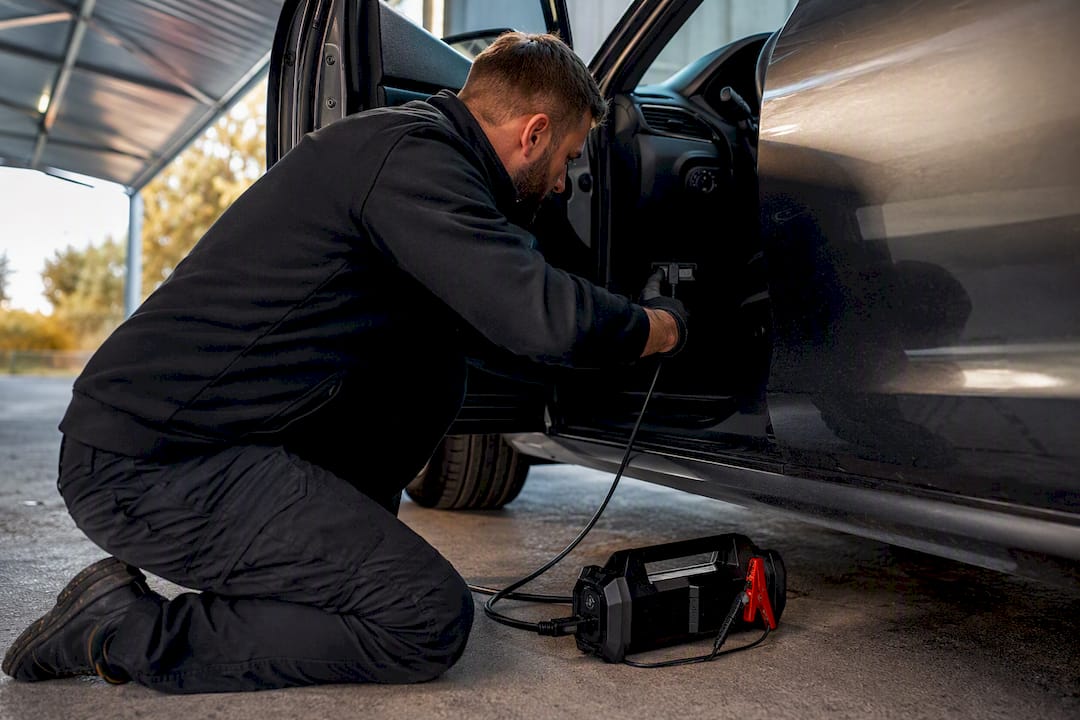
Mobile remapping is safe when the technician runs proper diagnostics, uses genuine programming tools, writes a custom calibration and backs up your original ECU file before touching anything. It becomes risky the moment any of those steps gets skipped: generic files, rushed writes on a laptop with no battery support, or a tuner who ignores an existing mechanical fault. The trust signals to look for are a pre-remap health check, a bespoke map rather than an off-the-shelf file, and a saved copy of your original software so the job can be reversed.
TL;DR:
Mobile remapping is safest when performed with proper diagnostics, genuine tools, a custom map, and a backup of the original ECU file.
The process requires stable power and connection during reading, assessing, and writing to prevent corruption regardless of location.
Pre-remap checks must include fault code scans, live-data tests, mechanical condition reviews, and verified backup of the stock software.
Hardware issues like cheap programmers, unstable connections, or weak batteries are the primary risks, not the remapping location.
Owners should demand transparency on tools used, original file backup, diagnostic checks, and realistic map expectations before booking.
Table of Contents
Why mobile remapping safety depends on process, not location
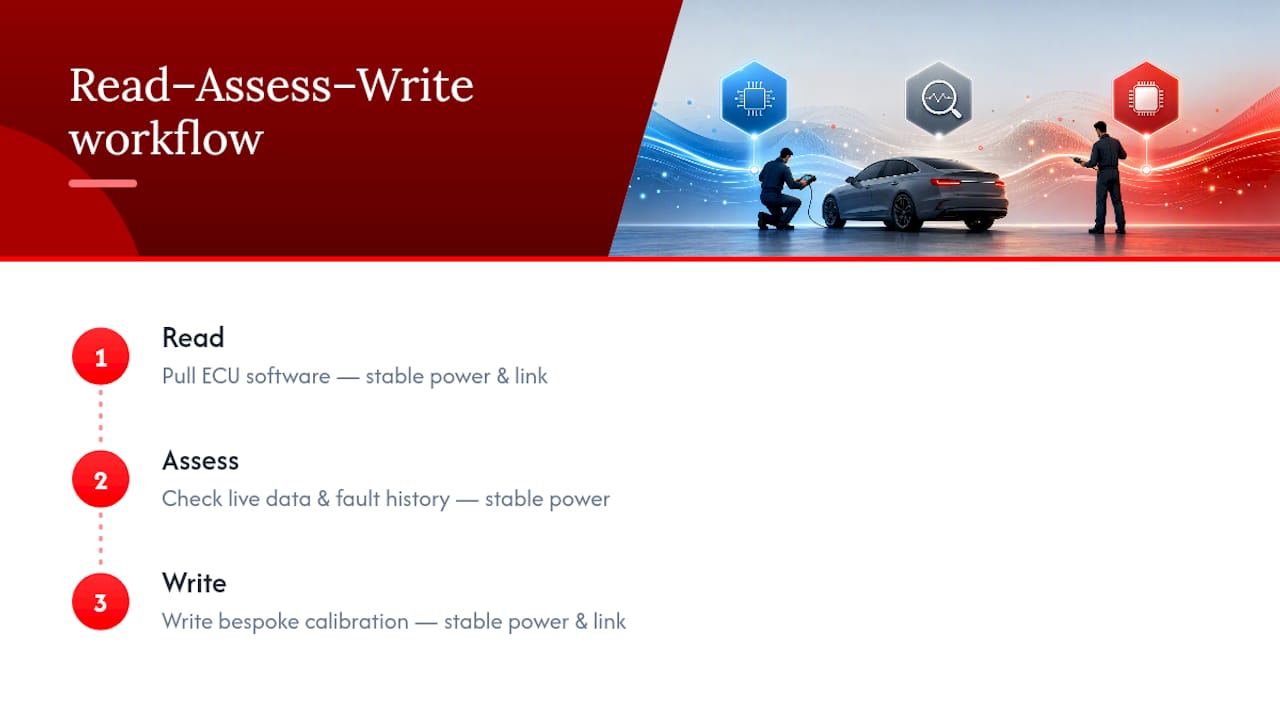
A remap is really a three-step job: read, assess, write. The technician connects to the ECU, pulls the existing software, checks the vehicle’s live data and fault history, then writes back a modified calibration. Every step needs stable power and an unbroken connection, because a dropped signal mid-write can corrupt the file and leave the ECU unresponsive. That risk exists in a workshop bay just as much as on a driveway. What actually protects the vehicle is the read-assess-write workflow being followed properly, with diagnostic checks and stable programming conditions treated as non-negotiable rather than optional extras.
Generic, “one-size-fits-all” files are where most of the real danger sits. Two identical models can have different wear levels, injector output and service histories, so a file tuned for a showroom-fresh engine can push a tired one past its tolerances. A custom-written calibration built within manufacturer tolerance limits accounts for that variation, which is why reputable tuners write bespoke maps rather than loading a pre-packaged file from a memory stick.
Where mobile jobs actually go wrong is almost always hardware, not location: cheap plug-in programmers, unstable laptop connections, or a tuner working off a weak car battery with no support unit attached. Get those basics right, and a driveway remap carries no more risk than one done on a ramp.
What checks happen before a safe remap begins?
No competent tuner should touch your ECU before running a proper health check. A structured mobile appointment starts with diagnostics, moves through the read and backup stage, then calibration, then a write and a verification road test. Skipping the first stage is how avoidable problems turn into expensive ones.
What that pre-remap check should actually cover:
Fault-code scan: an OBD read to catch stored or pending codes before anything is written.
Live-data checks: boost pressure, air-fuel ratio and exhaust temperatures monitored on a short test run, not just a static plug-in read.
Mechanical condition: turbo health, clutch or gearbox wear, DPF and EGR status, and injector balance across cylinders.
Service history review: recent maintenance gaps often explain symptoms that a fault scan alone won’t show.
Battery and voltage stability: a weak or fluctuating supply is one of the most common causes of a failed or corrupted write.
Original file backup: the existing ECU software saved before any change, so the car can be returned to stock if needed.
That last point is the one owners underestimate most. A backed-up original file is the difference between a remap being a decision you can undo and one you’re stuck with.
What can go wrong: risks and affected components
Tuning beyond what an engine’s hardware can sensibly handle raises cylinder pressures and exhaust gas temperatures, and if there’s already an underlying fault, that stress finds the weak point fast. Overheating is the most obvious outcome, but it’s rarely instant. It tends to show up after weeks of harder driving.
More torque also means more load through the drivetrain. Clutches on higher-mileage manual cars are a common casualty, and automatic gearboxes not designed for the extra pull can start slipping under load. Early warning signs include a clutch biting higher than usual or slight hesitation on hard acceleration.
Diesel owners face a specific set of concerns. Extra load changes regeneration cycles, and a DPF that was already borderline before the remap can start clogging faster, sometimes triggering warning lights within days rather than months.
Then there’s paperwork risk. Insurance and warranty positions can be affected by a remap regardless of whether it happened at a workshop or on your drive; most of the genuine concern around remapping centres on exactly these three things: reliability, drivetrain wear and cover. None of that risk disappears with a written record of the diagnostics performed and a documented rollback option. It just becomes manageable, and easier to prove to an insurer if a question ever comes up.
How to assess a mobile remapping service before you book
Ask these questions before you commit to anything:
What tools do you use, and are they industry-standard or OEM-level programmers rather than a generic plug-in box?
Will you back up my original ECU file, and how do I get a copy of it?
Which diagnostic checks will you run before writing anything?
What type of map is this, and what gains should I realistically expect for my specific car?
The red flags are fairly obvious once you know to look for them. Big power promises with no diagnostic scan first. Refusal to back up the original file. Cheap plug-in boxes sold as a “remap” with no laptop, no live data and no calibration work involved at all.
The trust signals run the other way. A technician who checks live data on a road test, gives you a clear way to roll back if you’re unhappy, and is willing to walk away from your car if something doesn’t check out.
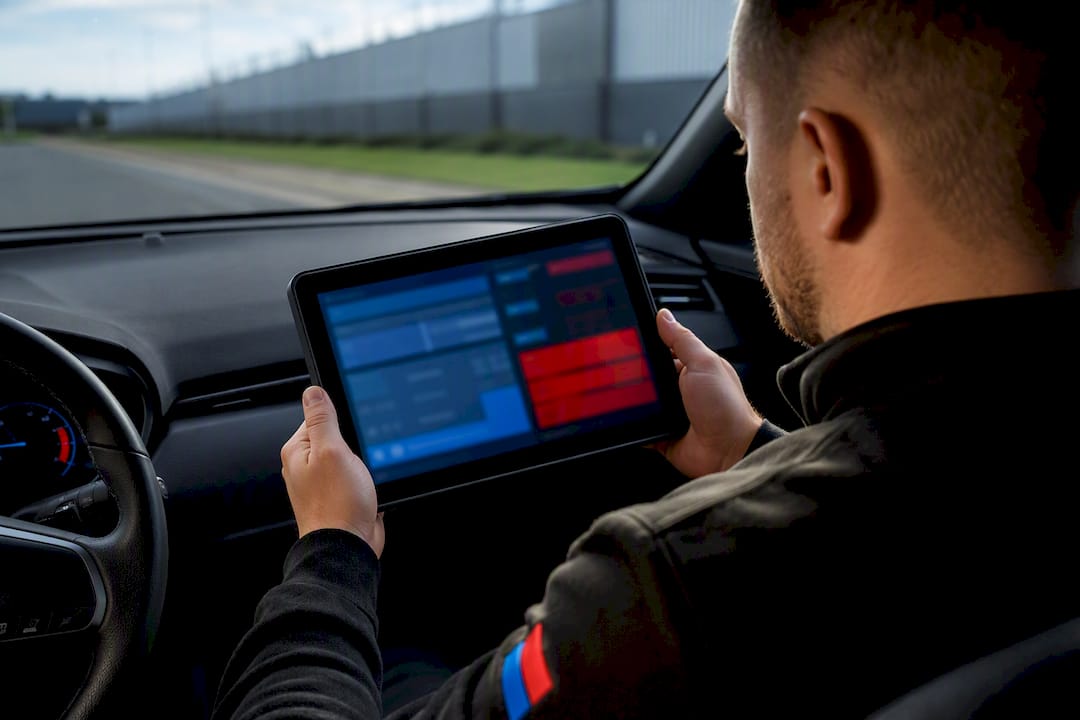
Pro Tip: If a tuner quotes you a figure before they’ve even scanned the car, that’s your answer. A number given before the diagnostics is a guess, not a calibration.
Steps owners can take before and after a mobile remap
Before the appointment, get any known faults sorted, check your battery holds charge properly, and be upfront with the tuner about how you actually drive the car. If towing or long motorway runs are part of your routine, say so; it affects what map suits you.
Once the work’s done:
Ask for a live-data snapshot from the road test as a baseline for future reference.
Get written confirmation of the map type applied and confirmation that a rollback file exists.
Watch for clutch or gearbox symptoms over the following few weeks, not just the first drive.
Re-scan for fault codes a week or two later to confirm nothing’s been triggered under real driving.
Keep that paperwork somewhere accessible. If an insurer or a warranty provider ever asks, a documented pre-remap check and a clear record of what was written carries a lot more weight than a memory of “it was fine at the time.”
Why choose a qualified mobile tuner: evidence and credibility
Performance Tuning NI works from the same diagnostic-first process outlined above: a pre-remap health check, a custom-written calibration rather than a generic file, and a backup of the original ECU software before any changes go live. A credible business will have a strong reputation and positive customer reviews, built on repeat custom work rather than one-size-fits-all files.
A credible provider should be able to explain, in plain terms, what checks they run and why, and should have no hesitation showing you live data from your own car’s test run. Where a workshop might publish detailed case studies or dyno figures, expect any reputable mobile tuner to offer at least a verbal walkthrough of what was measured and why the map was written the way it was.
Mark’s take: the safety debate is aimed at the wrong target
The safety argument around mobile remapping has been fought on the wrong ground for years. People keep asking whether a driveway is as safe as a workshop, when the real variable is the technician standing in either location. A rushed job on a ramp with no diagnostics is more dangerous than a careful one on a driveway with proper battery support and a backed-up file.
What gets underrated is the value of a tuner who says no. Anyone can write a map. Fewer will tell a customer their DPF is too far gone, or their clutch won’t survive the extra torque, and turn the job away. That refusal costs the tuner money in the short term, which is exactly why it’s worth trusting.
If you take one thing from this, prioritise the backup file over the horsepower figure. Reversibility is what turns a remap from a gamble into a decision you can walk back from if it doesn’t suit you.
— Mark
Book a diagnostic-first mobile remap with Performance Tuning NI
A credible remapping service runs a health check before anything is written, creates a custom calibration for your specific vehicle, and keeps your original file safe so the work stays reversible. That’s a meaningfully different starting point from a generic plug-in box sold as a “remap” with no diagnostics behind it.
[
If you’re weighing up whether your car’s a good candidate, start with the free remap calculator using your registration, or head straight to the engine remapping and ECU tuning service page to book a pre-remap health check. Diesel owners dealing with sluggish response might also want to look at engine carbon cleaning as a preparatory step before tuning. No promises on exact gains until your car’s actually been checked. That’s the whole point.
Sources
Recommended