
Economy remap for drivers: realistic MPG gains explained
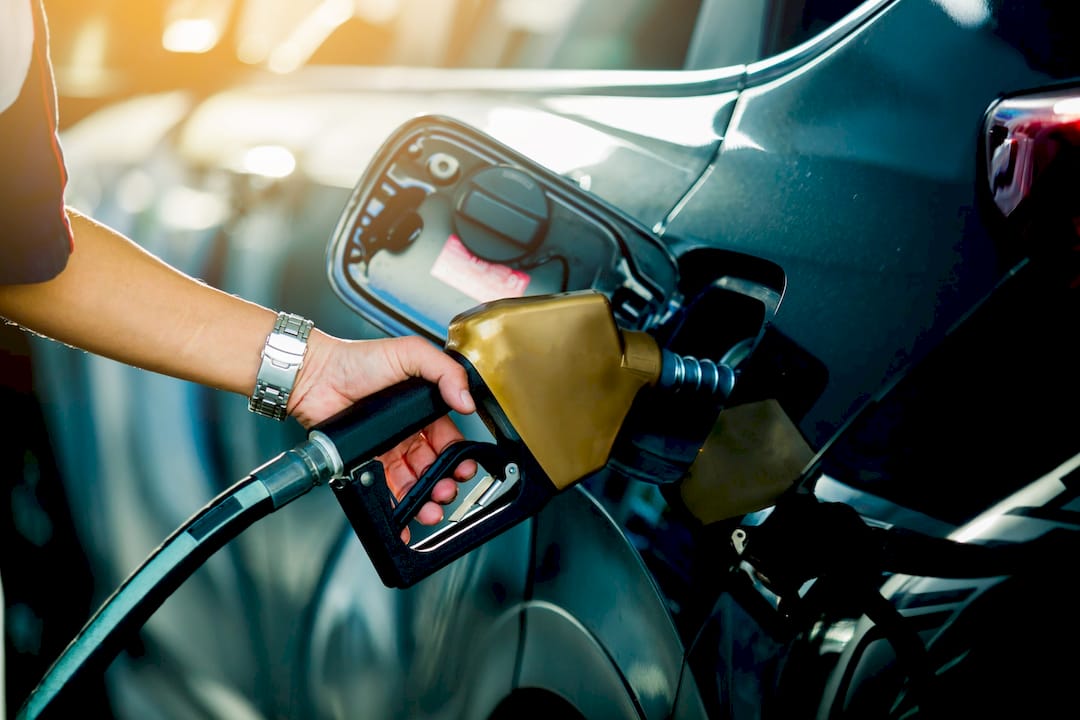
An economy remap can reduce everyday fuel use for many drivers by reshaping the ECU calibration for low-down torque and efficiency rather than peak power. Real-world gains are most often in the 5–15% range, with some turbo diesel vehicles potentially achieving savings closer to 20% under ideal conditions. Those headline figures, though, come with conditions attached.
Who benefits most:
High-mileage commuters in turbo diesel cars, vans, and light commercials
Towing and fleet vehicles where low-rev pulling power directly cuts fuel use
Motorway-heavy drivers who can exploit the improved torque curve
Who sees little change:
Short-trip urban drivers who rarely reach operating temperature
Naturally aspirated petrol engines with limited ECU headroom
Table of Contents
What an economy remap actually involves
The process follows a clear sequence, and understanding it helps you judge whether a tuner is doing the job properly.
A reputable tuner starts with a diagnostic baseline, reading live data to confirm the engine is healthy before touching the ECU. Once that is clear, they connect via the OBD port, read the original ECU file and save a full backup. That backup is the safety net: if anything goes wrong, or if you later want the car returned to factory settings, the original map can be written straight back.
The whole appointment typically takes less than 1 hour. Mobile tuners bring the equipment to your driveway or workplace. Either way, you drive away in the same session.
Realistic MPG gains and the variables that alter results
The 5–15% improvement is the honest working range for most drivers. Some turbo diesel vehicles in optimal conditions reach closer to 20%, but that figure requires the right engine, the right route, and a driver who actually changes their behaviour behind the wheel.
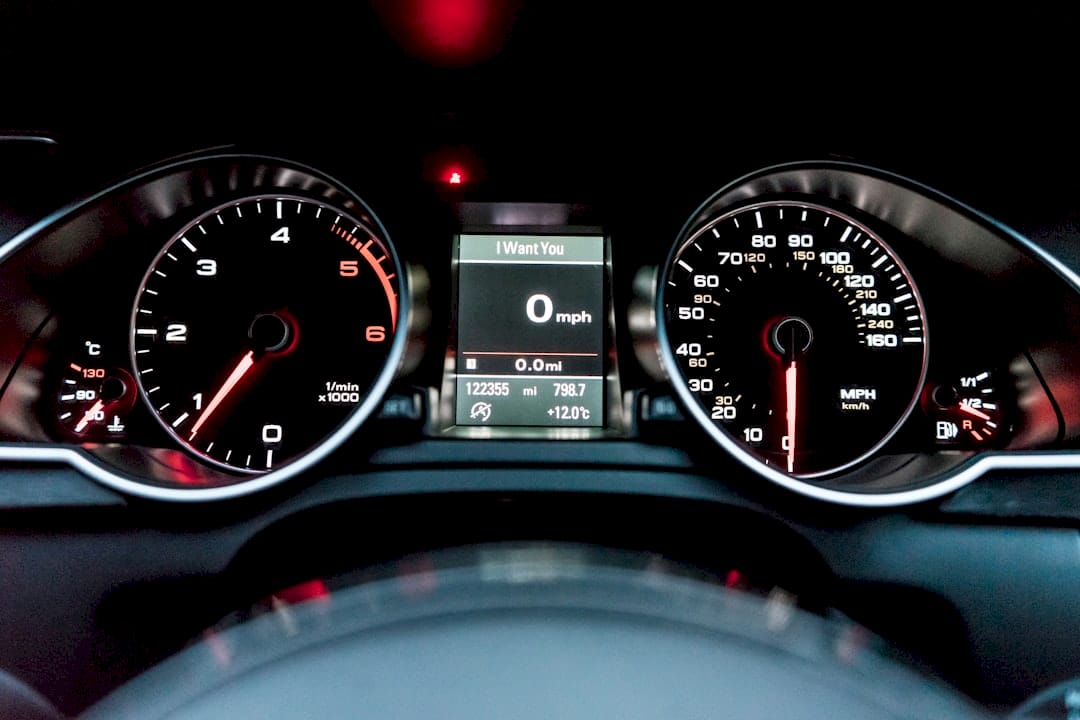
Several factors determine where your result lands within that range.
Engine type matters most. Turbo diesel engines have the most ECU headroom for efficiency work because their torque delivery is highly programmable. Turbo petrol engines can benefit, but the gains are typically smaller. Naturally aspirated petrols have the least to gain because there is no boost pressure to optimise.
Route and load shift the numbers significantly:
Motorway and A-road driving, where the improved low-rev torque is used consistently, produces the clearest savings
Urban stop-start driving dilutes the benefit because the engine rarely settles into the efficiency window
Towing and heavy loads often show the clearest drivability gains, even when raw MPG improvement is modest, because the engine pulls more easily at lower revs
Driving style is the variable most people underestimate. A driver who uses the extra low-down response to accelerate harder will cancel out every percentage point the map delivers. The gains appear when you change up earlier, use lighter throttle, and let the torque do the work.
Factory ECU maps are intentionally conservative, calibrated for global fuel quality variability and a wide range of maintenance standards. UK vehicles running on standard pump fuel, serviced regularly, often have genuine headroom that a responsible tuner can unlock without pushing the engine beyond safe limits.
Which ECU parameters are adjusted in an economy remap
An economy remap does not simply “turn things up.” It reshapes several calibration tables simultaneously to move the engine’s efficiency peak into the rev range you actually use on the road.
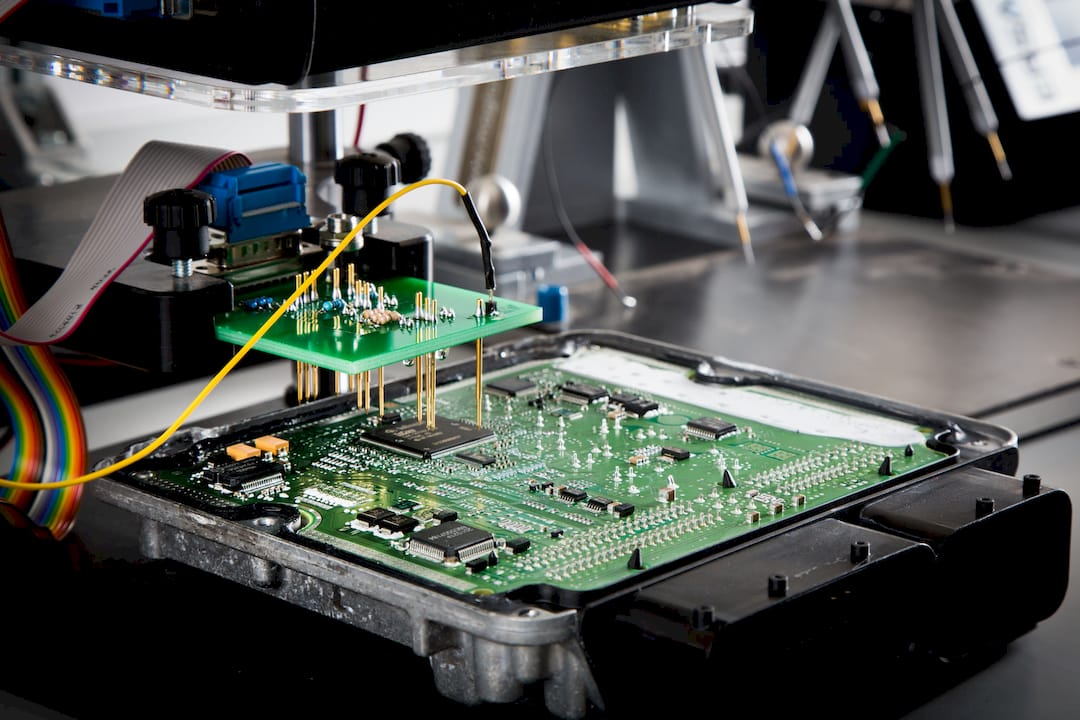
The main parameters a tuner adjusts include:
Fuelling and air-fuel ratio: The injection quantity and timing are refined so the engine burns fuel more completely at part-throttle loads, which is where most driving happens. Wasted fuel from over-rich mixtures at cruise is one of the easiest efficiency gains to find.
Injection and ignition timing: Advancing timing slightly at low loads extracts more energy from each combustion event. The calibration has to stay within the engine’s knock tolerance, which is why a bespoke map coded to your specific engine is safer than a generic file.
Boost and torque request maps: On turbocharged engines, the boost curve is reshaped to deliver more torque at lower revs. This is the change that lets you pull away in a higher gear and cruise at lower RPM without the engine labouring.
Throttle-by-wire maps: Smoothing the throttle response at light inputs reduces the tendency to over-fuel during gentle acceleration, which is a surprisingly large source of inefficiency in everyday driving.
Benefits you can expect, and the tradeoffs to consider
The benefits of a well-executed fuel economy remap go beyond the MPG number on your fuel receipt.
Likely benefits:
Lower fuel spend on regular commutes and long runs
Smoother, more linear throttle response at low revs
Less frequent gear changes, particularly on hills and dual carriageways
Reduced engine strain when towing, which also eases wear on the drivetrain
A more relaxed driving experience at motorway speeds
Tradeoffs to be aware of:
The extra low-down response is tempting to use. Drivers who exploit it aggressively will see little or no fuel saving, regardless of how good the map is
Throttle feel changes slightly, which takes a short adjustment period
Manufacturer warranties may be affected
A poorly written map, or a generic file applied without diagnostics, can cause drivability issues or mask underlying faults
Practical mitigation:
Ask your tuner for a balanced map rather than the most aggressive economy calibration available. A map that preserves reasonable drivability is easier to drive efficiently day-to-day.
Have a pre-tune mechanical check carried out first. Boost leaks, worn injectors, DPF issues and EGR faults all limit what a remap can achieve and can worsen under a new calibration.
Monitor fuel consumption over at least three full tanks before drawing conclusions. One tank is not enough data.
Pro Tip: Engine carbon cleaning before a remap can meaningfully improve the baseline the tuner is working from. Performancetuningni offers carbon cleaning as a pre-tune service for exactly this reason.
UK practical checks: warranty, insurance, MOT and emissions
These are not bureaucratic details. Getting them wrong costs money.
Warranty: Manufacturer warranties can be affected by ECU modifications. Dealers can detect remaps during servicing, and some will use this to dispute warranty claims on related components. If your vehicle is still under a manufacturer or extended warranty, read the terms carefully and consider whether the fuel saving justifies the risk. Independent warranties vary widely, so check the specific wording.
Insurance: You are legally required to disclose modifications to your insurer. Failure to do so can invalidate your cover entirely, not just for a claim related to the remap. Most mainstream insurers will note the modification; some will charge a small premium, others will not. Ring your insurer before booking, not after.
Quick insurer checklist:
Tell them the modification is an ECU remap (not a performance upgrade)
Confirm it is reversible and that the original file is backed up
Ask whether they need written confirmation from the tuner
Get the updated policy endorsement in writing
MOT and emissions: A standard economy remap that keeps all emissions systems functioning will not cause an MOT failure. The emissions test checks output at the tailpipe; a responsible remap that does not tamper with the DPF, catalytic converter or lambda sensors will pass. Where problems arise is when emissions hardware has been removed or disabled. Services such as DPF or EGR deletion carry real MOT and legal implications in the UK, and these are separate decisions from an economy remap. Performancetuningni’s EGR and DPF services page covers the specifics for drivers considering those options separately.
How much an economy remap costs, how long it takes, and what to expect
Typical UK price range: Economy remaps vary considerably depending on the service level. A standard file-based remap sits at the lower end of the market; a fully bespoke map, written to your specific vehicle and verified with data logging or dyno time, costs more. Mobile call-outs add a further variable. As a working guide, budget for a meaningful three-figure sum for a quality bespoke economy remap in the UK, with price varying by service level and whether dyno verification is included.
What drives the cost up:
Bespoke mapping (coded to your vehicle’s ECU, engine code and current condition) versus an off-the-shelf file
Dyno or road-logging verification, which requires additional time and equipment
Mobile appointments, where the tuner travels to your location
Pre-tune diagnostics and health checks carried out on the day
Bundled services such as carbon cleaning or before/after fuel logging
Time on the day: A typical appointment runs around two hours from diagnostic check to final verification. Mobile sessions are self-contained; workshop sessions with dyno time may run slightly longer. You drive away the same day.
Service types to know:
Mobile tuning: the tuner comes to you; convenient, no need to travel
Workshop tuning: more controlled environment
Balanced eco map: prioritises efficiency without sacrificing all drivability
Pure economy file: maximum efficiency focus; can feel flat if not well-written for your engine
Extras worth considering: engine carbon cleaning before the remap, and a written before/after fuel log to track real-world savings over the first month.
How to pick a reputable UK tuner: questions to ask and red flags to avoid
Most problems with economy remaps trace back to the tuner, not the concept. A few direct questions before you book will separate the credible operators from the rest.
Questions to ask before booking:
Do you write a bespoke map for my specific vehicle, or use a generic file?
Will you carry out a diagnostic health check before writing the map?
Do you save the original ECU file and can I have a copy?
What is your aftercare policy if I am not satisfied with the result?
Is the remap reversible, and what does that process involve?
Red flags that should stop you booking:
Guaranteed MPG figures quoted before seeing the vehicle or its data
No mention of a diagnostic check or vehicle health assessment
A single file used for all vehicles of the same model regardless of condition
No backup of the original ECU file offered
Pressure to add emissions-deleting services as part of the “eco” package
No written record of what was changed or why
Custom, vehicle-specific maps consistently outperform generic eco files because they are calibrated to the individual ECU, the engine’s current state, and the fuel quality the car actually runs on. A tuner who cannot explain the difference between a bespoke map and a generic file is not the right choice for an economy remap.
Pro Tip: Check Google and Trustpilot reviews specifically for mentions of before/after MPG results. Customers who received proper verification tend to say so; those who did not often notice the absence.
Why Performance Tuning NI is worth considering for your economy remap
Performancetuningni has tuned thousands of vehicles and carries a five-star Google rating built on custom mapping work across petrol and diesel engines. The approach is straightforward: every remap starts with a diagnostic baseline, the original ECU file is backed up before anything is written, and the result is verified with before/after logging rather than a verbal assurance.
What the service includes:
Bespoke map written to your specific vehicle, engine code and current condition
Full diagnostic pre-check to identify any faults that would limit results
Original ECU file saved and available for restoration
Written driving notes so you know how to get the most from the new calibration
Mobile service available, so the tuner comes to you
Engine carbon cleaning available as a pre-tune bundle for vehicles that need it
The team’s experience across a wide range of vehicles means the calibration is matched to your engine’s actual condition, not a template. For drivers who want to verify the saving rather than take it on faith, the before/after logging process gives you the numbers to check against your own fuel receipts.
Use the remap calculator to get a vehicle-specific estimate, or contact Performancetuningni directly to discuss your vehicle and driving pattern before booking.
Key takeaways
A well-executed economy remap on a healthy turbo diesel can deliver real-world fuel savings, but results depend on vehicle condition and driver technique.
Point | Details |
Realistic MPG gains | 5–15% is typical; up to 20% may be possible on some turbo diesels under ideal circumstances. |
Vehicle health first | Pre-tune diagnostics are not optional; boost leaks, injector wear and DPF faults all cap what a remap can achieve. |
Bespoke map, not a generic file | A map coded to your specific ECU and engine condition outperforms any one-size-fits-all eco file. |
Driver behaviour decides the outcome | Using the extra low-down response aggressively cancels the saving; change up earlier and use lighter throttle. |
Performancetuningni | Offers custom economy remaps with diagnostic pre-checks, ECU file backup, before/after logging, and mobile service. |
What the numbers actually tell you about economy remaps
The conversation around economy remaps tends to split into two camps: sceptics who dismiss any MPG claim as marketing, and enthusiasts who repeat the highest figure they have seen without the conditions attached. Both miss the point.
The 5–15% range reflects the genuine variation between a short-trip urban driver in a naturally aspirated petrol and a motorway commuter in a well-maintained turbo diesel. The ceiling figure of around 20% is real, but it requires the right engine, the right route, a clean bill of mechanical health, and a driver who actually changes how they drive. Strip any one of those conditions away and the number drops.
What gets underplayed in most discussions is the drivability improvement. Drivers who tow regularly, or who spend time on A-roads with varying gradients, often find the smoother low-rev torque more valuable than the fuel saving itself. The engine pulls without strain, gear changes become less frequent, and the driving experience is simply less effortful. That is harder to put a percentage on, but it is real and it is consistent.
The other thing worth saying plainly: a generic eco file applied without a diagnostic check is not an economy remap in any meaningful sense. It is a gamble. The best results come from a tuner who treats the diagnostic as non-negotiable, writes to your specific ECU, and gives you the data to verify the outcome yourself. Anything less is asking you to take the saving on faith.
Book your economy remap with Performancetuningni
Fuel savings you can actually measure start with a map written for your vehicle, not a template applied to hundreds of others. Performancetuningni’s custom economy remapping service covers petrol and diesel vehicles across Northern Ireland, with mobile appointments available so the tuner comes to you.
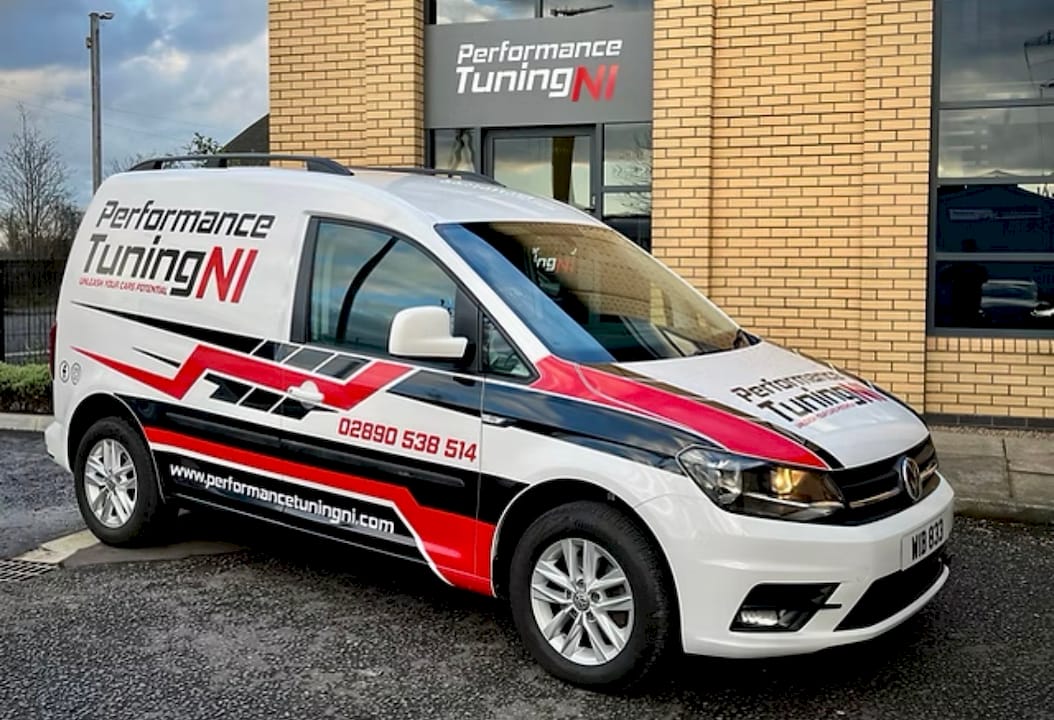
The process is straightforward: enter your registration in the free remap calculator for a vehicle-specific estimate of likely gains, then contact the team to discuss your driving pattern and book a date. If your vehicle would benefit from a carbon clean before the remap, that can be arranged as a bundle in the same appointment. Every booking includes a full diagnostic pre-check, ECU file backup, bespoke map, and before/after logging so you have real numbers to compare against your fuel receipts.
Visit the remapping service page to see the full range of options and get in touch.
Further reading and sources
The following sources were used to build this article. Each is worth reading if you want to verify specific claims or dig into the detail before booking.
RAC: What is remapping a car? Covers the OBD read/write process, reversibility, and the warranty and insurance disclosure requirements. A reliable starting point for any driver new to the subject.
High REVS Performance: Eco remap MPG gains in the real world Detailed breakdown of realistic percentage gains by vehicle type and route, including the towing and drivability angle that raw MPG figures miss.
High REVS Performance: A practical guide to fuel-saving remaps Covers pre-tune diagnostics, the role of driver behaviour, and why mechanical health determines the ceiling of any remaps effectiveness.
Performancetuningni remap calculator Enter your registration for a vehicle-specific estimate of suitability and likely gains, rather than relying on generic MPG claims.
Performancetuningni remapping service Full details of the bespoke mapping process, mobile service options, and how to book.
For vehicle-specific estimates, the remap calculator is a more reliable guide than any generic percentage range. Every engine and driving pattern is different, and a five-minute check against your registration plate will give you a more honest starting point than any headline figure.
Recommended