
Best cars to remap: top picks for enthusiasts
- Aug 5
- 11 min read
Turbocharged diesel platforms and well-supported turbo petrol engines give you the biggest, most reliable stage-1 gains from ECU remapping. If your car sits in one of these families, a single software session can unlock power the factory left on the table: Ford Fiesta ST, Skoda Octavia vRS, Vauxhall Corsa turbo, Audi RS6, Ford Transit Custom diesel, and BMW B58-powered models (340i, 440i, M240i) are consistently the most rewarding vehicles to tune. Stage-1 remaps on diesel platforms typically deliver noticeable gains in horsepower and torque with no hardware changes, making them the best value entry point for most drivers. Performancetuningni has mapped thousands of cars across Northern Ireland and holds a five-star Google rating, so if any of these models are on your driveway, you are already in good company.
Table of Contents
What makes a car a good candidate for remapping?
The single biggest predictor of strong remap gains is a turbocharged engine running a conservative factory calibration. Manufacturers routinely detune engines for emissions targets, fuel economy claims, and product-line differentiation. A professional remap optimises torque maps and throttle response while keeping safety margins intact, reclaiming that headroom without touching the hardware.
Five traits separate the best vehicles to tune from the rest.
Forced induction (turbo or supercharger). Boost pressure is the lever a tuner pulls. Naturally aspirated engines have almost no equivalent lever, so gains are modest at best.
Conservative factory ECU calibration. The wider the gap between factory tune and the engine’s mechanical limit, the more a remap can recover.
Robust bottom-end hardware. Closed-deck blocks, forged internals, and high-strength con-rods survive increased cylinder pressure. The BMW B58’s closed-deck block and forged internals are a textbook example of structural headroom built in from the factory.
Plentiful aftermarket parts. Vehicles with strong aftermarket ecosystems give tuners safer upgrade paths and better long-term reliability after remapping. Intercoolers, uprated fuel systems, and performance exhausts need to be available off the shelf before you commit to stage-2 ambitions.
ECU unlockability. Some modern control units require a specialist unlock step before a custom calibration file can be installed. Check this before booking, especially on vehicles from 2022 onwards.
Exhaust and turbo packaging also matter more than most owners realise. Efficient exhaust flow and correct turbo sizing directly affect how much extra boost a remap can safely use, which is why two cars with identical displacement can respond very differently to the same software change.
Pro Tip: Before committing to stage-2, check for known weak points specific to your engine: the high-pressure fuel pump on the Ford Fiesta ST 1.6 EcoBoost, factory limp-mode thresholds on VAG TDI platforms, and injector wear on high-mileage diesel vans. Fixing these first costs less than a blown engine after the map.
The top cars to remap: what you can expect from each model
These models were selected on engine architecture, aftermarket support, and real tuner results. The most popular cars for ECU tuning share a common trait: they reach strong gains without hardware changes, which keeps costs low and reliability high.
1. Ford Fiesta ST (1.5T / 1.6 EcoBoost)
Stage-1 gains: roughly +30–40 bhp / +50–70 Nm. Best stage: stage-1 on stock hardware; stage-2 requires an uprated intercooler and induction kit.
The Fiesta ST is arguably the most rewarding hot hatch to remap in the UK. Ford’s factory calibration is deliberately conservative, and the 1.5T three-cylinder responds immediately to a custom map with a noticeably sharper torque curve from 2,000 rpm. The 1.6 EcoBoost variant is equally responsive but watch the high-pressure fuel pump on higher-mileage examples before pushing to stage-2.
Suitability: daily driver and track day. Reliability caveat: check HPFP condition first.
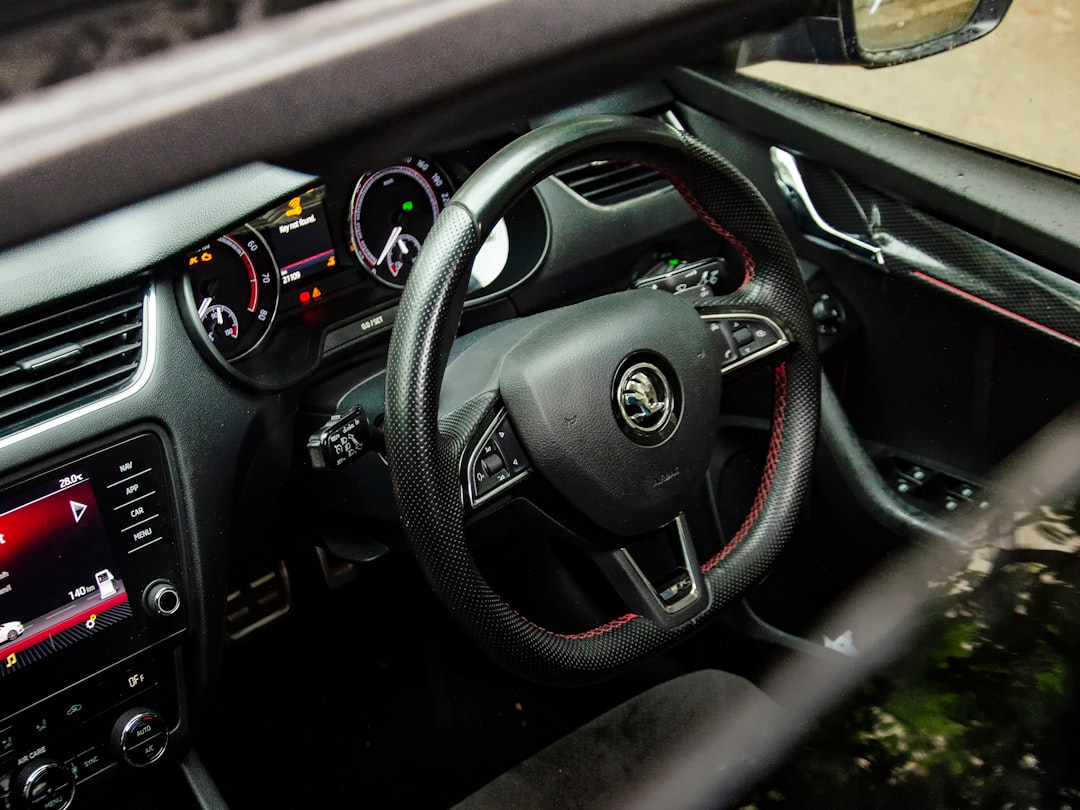
2. Skoda Octavia vRS (2.0 TDI / 2.0 TSI)
Stage-1 gains (TDI): +30–40 bhp / +60–80 Nm. Best stage: stage-1 on the diesel; stage-2 possible on the TSI with supporting mods.
The Octavia vRS sits on the VAG MQB platform, which has one of the deepest aftermarket support networks in Europe. The 2.0 TDI version is a particular favourite among tuners because the factory ECU calibration leaves a wide margin, and the diesel’s torque delivery becomes genuinely effortless after a remap. The TSI petrol version is equally capable but benefits more from an intercooler upgrade before pushing beyond stage-1.
Suitability: family daily driver with real performance credentials. Reliability caveat: service history matters on the TDI; a blocked DPF before mapping causes problems.
3. Vauxhall Corsa (1.2T / 1.4T turbo variants)
Stage-1 gains: +20–30 bhp / +30–50 Nm on the 1.2T. Best stage: stage-1.
The turbo Corsa is one of the most popular cars for ECU tuning in the UK simply because there are so many of them. The 1.2T three-cylinder engine shares architecture with PSA Group units and responds well to calibration work. Gains are modest compared with a hot hatch, but the improvement in throttle response and mid-range pull is immediately noticeable on a car that feels sluggish from the factory.
Suitability: everyday commuter. Reliability caveat: low-mileage examples only; worn turbos on high-mileage units will not hold boost reliably after a remap.
4. Audi RS6 (4.0 TFSI biturbo)
Stage-1 gains: +50–80 bhp / +80–120 Nm. Best stage: stage-1 on stock hardware; stage-2 with downpipes and intercooler upgrades.
The RS6’s 4.0 TFSI biturbo is one of the most tunable engines Audi has ever built. Factory output is deliberately capped well below the engine’s mechanical ceiling, partly to protect the transmission and partly for product differentiation with the RS7. A stage-1 remap on a stock RS6 produces gains that would require a full engine rebuild on a naturally aspirated car. The hardware is over-engineered from the factory, so reliability concerns are minimal at stage-1.
Suitability: high-performance daily driver and motorway cruiser. Reliability caveat: use only premium 98 RON fuel after remapping.
5. Ford Transit Custom (2.0 EcoBlue / 2.2 TDCi diesel)
Stage-1 gains: +30–40 bhp / +60–80 Nm. Best stage: stage-1 is the sweet spot for commercial use.
Van remapping is one of the most cost-effective tuning decisions you can make. The Transit Custom’s diesel engines are factory-tuned for economy and emissions rather than performance, and the gap between factory calibration and mechanical capability is wide. A stage-1 remap improves load-carrying performance, reduces the need to drop gears on motorway inclines, and often improves fuel economy under real-world driving conditions. For fleet operators, the fuel saving alone can offset the remap cost within months.
Suitability: commercial use, towing, and fleet work. Reliability caveat: service intervals must be maintained; a remap on a van with a neglected DPF is a false economy.
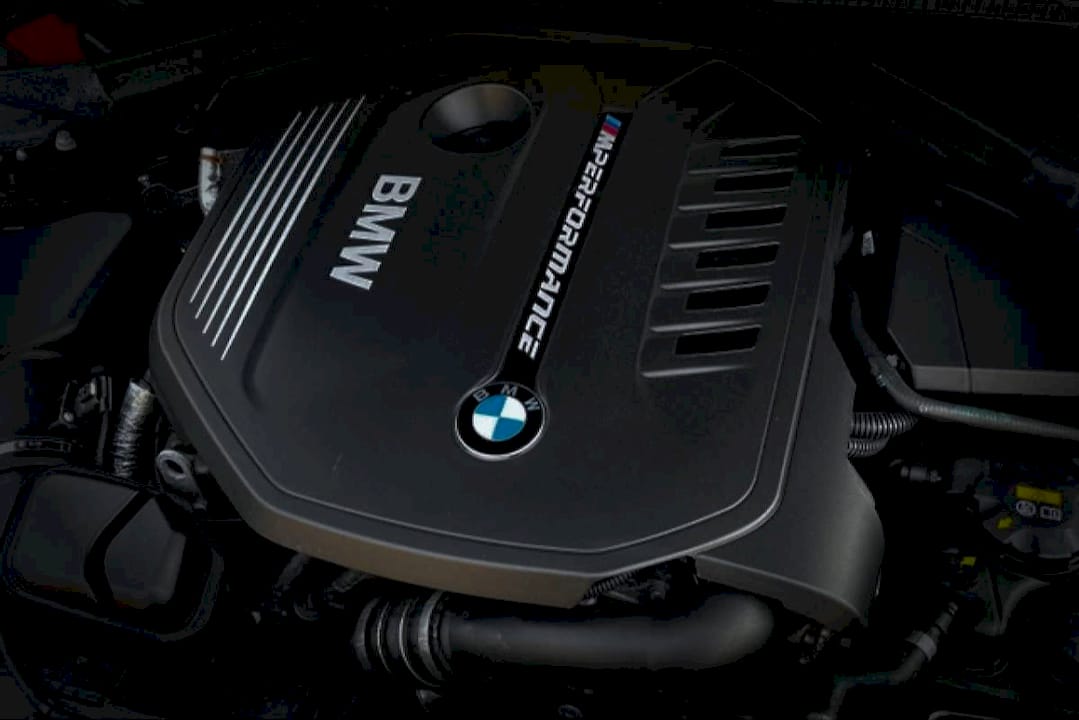
6. BMW B58-powered models (340i, 440i, M240i, Supra GR)
Stage-1 gains: stock outputs of 335–382 hp can reach roughly 400–450 hp with software tuning and modest bolt-ons. Best stage: stage-1 to stage-2 with intake and downpipe.
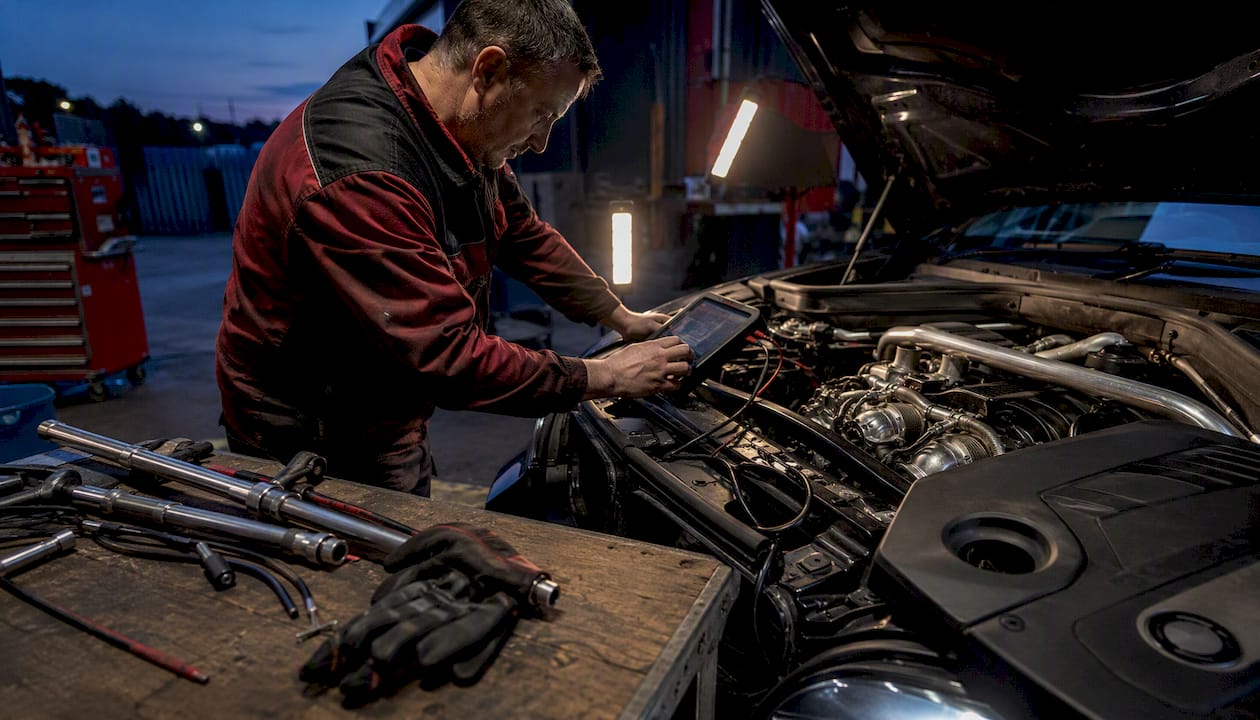
The B58 3.0-litre turbo inline-six is widely regarded as the most tunable production engine currently in mainstream use. Its closed-deck block and forged internals mean the bottom end handles significantly more cylinder pressure than the factory map ever demands. Software alone moves the needle substantially; add an intake and a downpipe and you are approaching figures that rival dedicated performance cars costing twice the price.
Suitability: performance daily driver and track use. Reliability caveat: use a reputable tuner with B58-specific experience; generic maps on this engine can cause knock on lower-octane fuel.
7. BMW 1 Series 116d (N47 / B37 diesel)
Stage-1 gains: +25–35 bhp / +50–70 Nm. Best stage: stage-1.
The 116d is an interesting case because it sits at the bottom of BMW’s power hierarchy, yet the engine hardware is shared with higher-output variants. The factory ECU calibration is heavily restricted, and a stage-1 remap effectively moves the 116d closer to 120d territory in terms of real-world torque delivery. Running costs stay low, insurance is manageable, and the improvement in everyday driveability is significant.
Suitability: economical daily driver wanting more urgency. Reliability caveat: N47 timing chain issues should be resolved before any tuning work.
8. Saab 9000 2.0 LPT (historic reference)
The Saab 9000 2.0 Low Pressure Turbo is a classic illustration of extreme factory conservatism. The LPT variant was deliberately detuned to sit below the Aero in Saab’s range, yet the engine, turbo, and fuelling hardware were identical. Early ECU modifications demonstrated gains of 40–60 bhp from software changes alone, a figure that shocked the tuning community at the time and helped establish the principle that factory detuning creates real headroom. It remains a useful reference point when explaining why badge-level differentiation within a model range is one of the strongest indicators of remap potential.
What are the typical gains, costs, and timescales?
Stage-1 means ECU calibration only, on completely stock hardware. Stage-2 typically requires supporting bolt-ons such as an uprated intake, intercooler, or exhaust before the additional power can be used safely. Stage-1 delivers the best value for money for most drivers: meaningful gains, no parts cost, and no increase in mechanical risk when the engine is in good condition.
Vehicle class | Typical stage-1 bhp gain | Typical stage-1 torque gain | Best stage |
Diesel van (e.g. Transit Custom) | +30–40 bhp | +60–80 Nm | Stage-1 |
Diesel car (e.g. Octavia vRS TDI) | +25–35 bhp | +50–70 Nm | Stage-1 |
Turbo petrol (e.g. Fiesta ST) | +20–30 bhp | +30–50 Nm | Stage-1/2 |
Big-turbo petrol (e.g. RS6, B58) | +50–80 bhp | +80–120 Nm | Stage-1/2 |
Naturally aspirated | +5 bhp | minimal | Stage-1 only |
Typical UK costs:
Stage-1 remap (car): £200–£400 depending on vehicle and whether dyno time is included.
Stage-2 remap (car, including supporting mods): £500–£1,500+ depending on parts required.
Van/commercial stage-1: £250–£450.
Mobile remap (tuner comes to you): add roughly £30–£60 to the above.
Custom dyno mapping: typically £100–£200 more than a standard flash remap.
Timeline:
Booking lead time: typically 1–5 days for most providers.
Session length: 1–3 hours for a standard stage-1 flash; 3–6 hours for a full dyno session with custom mapping.
Post-remap checks: an oil change within 500 miles is advisable after any significant power increase; engine carbon cleaning is worth scheduling on higher-mileage engines before or shortly after the remap.
How to decide whether remapping your car makes sense
Run through this checklist before booking. If you answer “no” to the first two questions, a remap is unlikely to deliver meaningful results.
Does your car have a turbocharged engine? Naturally aspirated gains are marginal; turbo engines are where the value lies.
Is the engine in good mechanical condition? A remap amplifies existing problems. Worn injectors, a tired turbo, or a blocked DPF will cause issues immediately after tuning.
Is the car still under manufacturer warranty? A remap will void most factory warranties. Weigh the warranty value against the performance gain before proceeding.
What is your primary use case? Daily commuting favours stage-1 diesel for economy and torque; track use justifies stage-2 petrol with supporting mods.
Have you checked with your insurer? Remapping is a modification that must be declared. Failure to do so can invalidate your policy. Most insurers will cover a professionally mapped car, though premiums may increase.
Is the MOT due soon? A remap does not directly cause an MOT failure, but increased emissions on a poorly maintained diesel can. Resolve any existing fault codes first.
Red flags that should make you pause:
Recurring limp modes or unresolved engine fault codes.
Very small-capacity diesels (sub-1.5-litre) with limited aftermarket support.
Complex hybrid or mild-hybrid powertrains where ECU interaction is not well understood.
Any engine with a known unresolved timing chain or bottom-end issue (notably the BMW N47).
Questions to ask your tuner before booking: Can you show me dyno results from the same engine family? Do you offer a post-map road test? What is your policy if the car enters limp mode after the remap?
What a professional remap actually involves
A reputable tuner does not simply plug in a laptop and flash a generic file. The process has several distinct stages, and each one protects both the engine and the result.
Pre-map health check. The tuner reads live data from the ECU, checks for fault codes, and inspects boost pressure, fuel trims, and exhaust gas temperatures. Any fault found at this stage is a reason to pause the job.
ECU read and unlock (where required). The original calibration file is read from the ECU. Some modern control units require a specialist unlock procedure before a new file can be written. This step adds time and occasionally cost on newer platforms.
Baseline data logging or dyno run. A before-map power run establishes the starting point. This is the number you compare against after the remap, and it catches any mechanical issues that live data missed.
Staged calibration. The tuner adjusts boost targets, fuelling maps, ignition timing, and torque limiters in stages, checking safety parameters (knock counts, EGTs, lambda readings) at each step. Exhaust flow and turbo sizing influence how far these parameters can be safely pushed, which is why a good tuner assesses the full system rather than just the ECU.
Post-map documentation. A professional tuner provides before/after dyno sheets and notes any recommendations (oil change interval, fuel grade, follow-up checks).
A remap will not void your MOT on its own, but it is a modification that should be declared to your insurer. For answers to common questions about legality, warranty, and insurance, Performancetuningni’s remapping FAQ covers the key points clearly.
Key takeaways
Turbocharged diesel and turbo petrol engines on well-supported platforms deliver the most reliable, cost-effective stage-1 gains, with diesel vans and cars typically seeing +25–40 bhp and +60–90 Nm from software alone.
Point | Details |
Best remap candidates | Turbo diesel and turbo petrol engines with conservative factory calibrations give the largest, safest gains. |
Top models to consider | Ford Fiesta ST, Skoda Octavia vRS, Ford Transit Custom, BMW B58 models, and Audi RS6 consistently deliver strong results. |
Stage-1 value | Stage-1 (ECU only, no hardware changes) offers the best return on investment for most drivers, typically costing £200–£400. |
Check before booking | Confirm engine condition, warranty status, insurer requirements, and resolve any fault codes before the remap session. |
Performance Tuning NI | A leading remap provider in Northern Ireland with thousands of cars tuned and a five-star Google rating. |
The mistake most owners make before they book
The most common pattern a tuner sees is an owner who has done thorough research on which car to remap, then books the job without checking the basics. A blocked DPF, worn injectors, or a high-pressure fuel pump on its way out will not survive a remap. The engine does not know the difference between a fault that was there before and one that appeared after; the tuner gets the blame either way.
The second mistake is chasing peak bhp on a dyno sheet rather than asking what the torque curve looks like between 1,500 and 3,500 rpm. That midrange band is where you live every day. A remap that adds 15 bhp at the top of the rev range but flattens the torque delivery below 3,000 rpm has made the car worse to drive, not better.
Practical workshop advice: change the oil before the remap, not after. Fresh oil handles the increased thermal load of a newly mapped engine better than oil that is already at its service limit. Use the fuel grade the tuner specifies, every time. And on vans doing high annual mileage, schedule a carbon cleaning session every 30,000 miles to keep intake valves clear and combustion efficient.
Performance Tuning NI: professional remapping in Northern Ireland
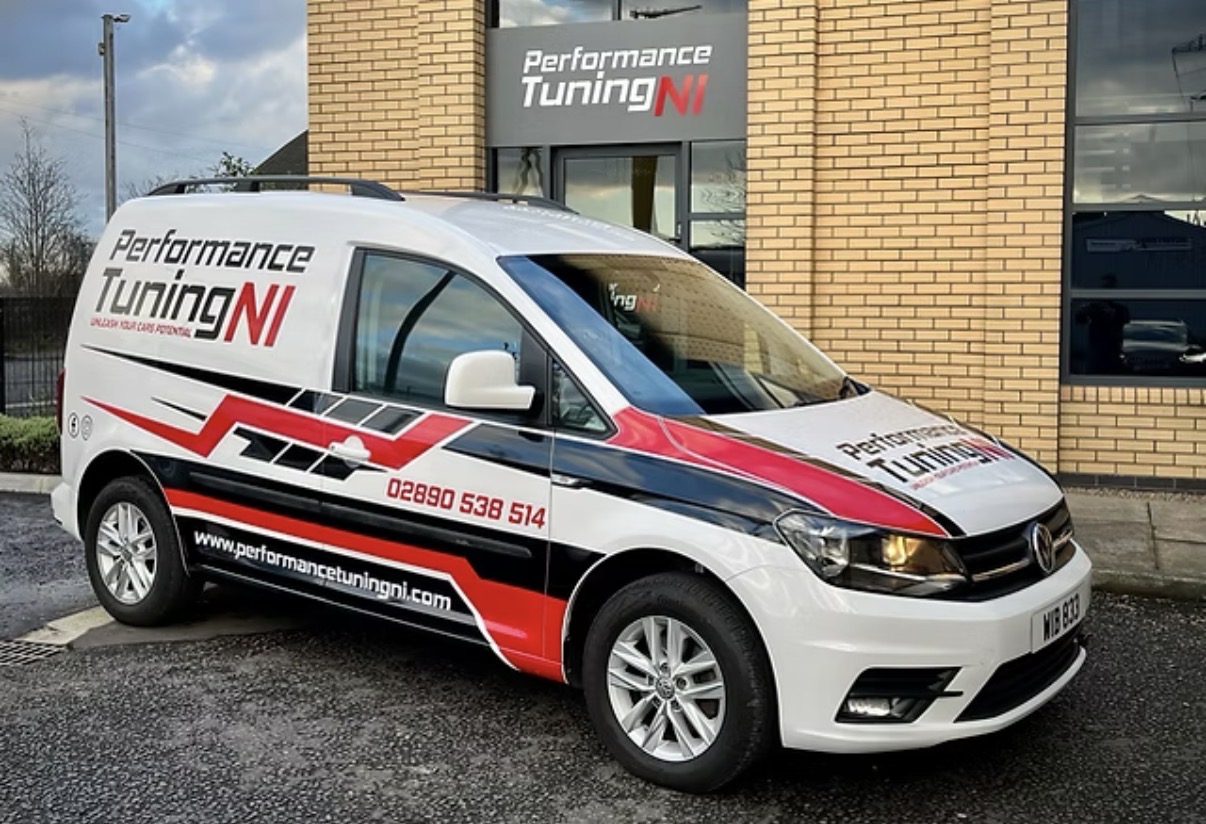
Performance Tuning NI offers custom engine remapping for petrol and diesel vehicles across Northern Ireland, with a mobile service available for customers who cannot come to the workshop. Having tuned thousands of cars with a five-star Google rating, the team brings genuine experience to every platform, from everyday turbo diesels to high-output performance engines.
[
Services available for remapping customers include:
Stage-1 custom remapping for petrol and diesel engines.
Mobile remap service (tuner comes to your location).
Engine carbon cleaning, ideal as a pre-map or post-map service.
EGR and DPF solutions for eligible vehicles.
AdBlue and speed limiter services.
To prepare for your appointment: bring a full service history, confirm the engine oil was changed recently, and note any fault codes or warning lights. A standard session takes 1–3 hours. Use the free remap calculator to get a vehicle-specific estimate of your potential gains before you book, then visit the remapping service page to confirm availability and arrange your appointment.
Useful sources
The following sources informed the figures and technical points in this article:
BMW B58 engine overview — stock and tuned output figures for the B58 inline-six.
BMW B58: the most tunable production engine — technical explanation of closed-deck block and forged internals.
Road and Track: the most tuner-friendly cars — aftermarket ecosystem as a predictor of safe tuning outcomes.
Turbo exhaust efficiency improvement guide — how exhaust flow and turbo sizing affect achievable remap gains.
Performancetuningni remapping service — service details, booking information, and what to prepare for a remap appointment.
Performancetuningni blog — case studies and technical write-ups on specific platforms and remap outcomes.
Recommended